 Finland? Get service
 Online weight loss request
79 €

Welcome to the weight loss treatment online
- Complete a short health questionnaire
Tell us your health history and your problem. Make a payment. Takes 5–10 minutes. - Medical assessment
We’ll review everything within 24 hours and prescribe treatment if appropriate. We’ll message you if we have any follow-up questions. - Ready!
You will get all the instructions and possibly a prescription electronically
Benefits:
- Skip the travel and waiting rooms – save your time
- Access care from any device, wherever you are
- A secure and confidential healthcare platform
- Available throughout the European Union
About weight loss treatment
Prescription weight loss treatments
Several prescription weight loss treatments are available to support your goals, depending on your preferences and individual needs. At Dokport’s online weight loss clinic, doctors can prescribe these treatments either as tablets or injectable pens.
Prescription medications work best when combined with a healthy diet and regular physical activity. Since everyone responds differently, the timeline for results can vary. Your doctor will help you understand what to expect based on your unique situation.
Weight Loss Injections
Weight loss injections are prescription treatments designed to support your weight loss journey. At the moment, we can prescribe pre-filled injectable pens such as Wegovy and Mounjaro.
Mounjaro
Mounjaro can help you lose up to 22.5% of your starting weight when used as part of a weight loss plan that includes healthy eating and regular exercise over a period of 1,5 years. It’s a once-weekly injection containing the active ingredient called tirzepatide.* Mounjaro supports weight loss by reducing appetite and helping you feel full for longer after meals. For the best results, it should always be combined with lifestyle changes such as a balanced diet and physical activity.
Wegovy / Ozempic
Wegovy can help you lose up to 15% of your starting weight when using the highest maintenance dose over a period of 1,5 years**. It’s a once-weekly injectable medication designed for adults who are overweight or living with obesity. Wegovy works by mimicking a natural hormone that targets areas of the brain responsible for appetite control. It helps you feel full with less food, making it easier to reduce calorie intake. In this way, Wegovy works similarly to Mounjaro.
Weight loss tablets
Weight loss tablets are another effective option for supporting your weight loss journey. At Dokport’s online weight loss clinic, we currently offer four different prescription tablet treatments:
Mysimba
Mysimba is a weight loss tablet that helps you feel less hungry and reduces cravings. This can make it easier to eat less and feel full for longer. You start with a small dose, which is slowly increased over time. You might start to feel the effect in 1 to 2 days, but it can take a few weeks to get the full benefit.
Orlistat
Orlistat (branded version Xenical) is a weight loss capsule that reduces the amount of fat your body absorbs from food. It’s most effective when used alongside a low-fat diet. Orlistat can be taken up to three times a day, but only with meals that contain fat. It typically begins to work within 24 to 48 hours. You may start to notice weight loss within two weeks, and if the treatment is suitable for you, a weight loss of at least 5% is expected within 12 weeks.
alli
alli weight loss capsules are an over-the-counter medicine that can help you lose weight when used together with a healthy diet and regular exercise. They work by blocking about 25% of the fat in your food from being absorbed by your body. Take an alli capsule within an hour of a meal that contains fat, up to 3 times a day. If your meal doesn’t contain fat, you don’t need to take the capsule.
Excellent feedback from users
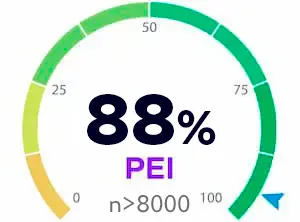
About NPS and PEI of remote health care

Frequently Asked Questions
Prescription weight loss treatments are available through the Dokport online weight loss clinic. To be eligible, your BMI must be either:
- 27 or higher with a weight-related health condition such as high blood pressure or type 2 diabetes
- 30 or higher without any other conditions
If you’re not sure what your current BMI is, you can use: BMI calculator
- Complete a short online medical questionnaire, which will be reviewed by one of our doctors.
- You’ll receive a weight loss plan and possibly an electronic prescription, allowing you to buy the weight loss medication from your pharmacy.
- If you need a different kind of support, one of our doctors will contact you through your patient account.
To be considered for prescription weight loss treatment, your BMI typically needs to be above 30, or above 27 if you have certain related health conditions. However, exact requirements can vary depending on the specific medication.
Some medical conditions or medications may affect how well weight loss treatments work—or even make them unsafe. That’s why it’s essential to consult a healthcare professional before starting any treatment and to provide complete and accurate information. Taking weight loss medication that isn’t right for you can lead to serious health issues and side effects.
There are specific health conditions that may make weight loss medication inappropriate for you. Suitability depends on the treatment in question, so a consultation with a doctor is always advised—especially if you have:
- liver or kidney conditions
- inflammatory bowel disease (IBD)
- thyroid disorders
- heart problems
- epilepsy
- chronic malabsorption syndrome (difficulty absorbing nutrients)
In addition, weight loss medication is not recommended for anyone under the age of 18, or for those who are pregnant or breastfeeding. You should also avoid these treatments if you have allergies to any of the ingredients.
Potential drug interactions
Some medications may interact with weight loss treatments, possibly reducing their effectiveness or increasing health risks. It’s important to tell your doctor if you’re taking any other medications, particularly the following:
- epilepsy
- treatment for HIV
- mental health treatment
- heart medication, such as amiodarone
- blood thinners, like warfarin
- diabetic treatment
- asthma treatment, such as theophylline
- Parkinson’s disease medication, especially monoamine oxidase inhibitors
- treatment for infections, such as antibiotics
- malaria treatment
- steroids
- opiates
Being physically active helps your body burn calories, which supports weight loss. When you eat, your body stores unused energy as fat. If your calorie intake is higher than the amount of energy you use, you may start to gain weight. Regular physical activity allows your body to use this stored energy and helps regulate your weight. It can also play a role in preventing or managing certain health conditions, such as type 2 diabetes. This makes it easier to lose weight and maintain long-term results.
Exercise recommendations for adults:
- General recommendations suggest aiming for about 150 minutes of moderate-intensity physical activity each week. This can include activities like brisk walking, cycling, or dancing.
or - Alternatively, 75 minutes of vigorous activity—such as running or circuit training—can be effective. For the best results in weight loss, combining both moderate and high-intensity exercise is recommended.
- In addition to aerobic exercise, it’s also important to include activities that build strength and improve balance at least twice a week. This can involve resistance training, yoga, or practices like tai chi.
What you eat plays a key role when working toward weight loss. Clinical recommendations generally suggest cutting your daily calorie intake by around 600 calories.
- For most women, this means aiming for no more than 1,400 calories per day
- For men, a limit of around 1,900 calories is advised.
To build a healthy and balanced diet, focus on adding more nutritious foods to your meals.
These include:
- Fresh fruits
- Natural or unsweetened yoghurt
- Whole grains
- Healthy fats, such as avocado
- Legumes like beans and lentils
When aiming to lose weight, it’s important not only to focus on what to eat—but also on what to reduce or avoid. Some types of food can make weight management more difficult, especially if consumed in large amounts. These include:
- Sugary snacks and drinks, such as sweets and chocolate
- Foods high in fat, particularly those with saturated fats
- White bread and other refined grains
- Alcoholic beverages
- Fried or greasy foods
As with any medication, weight loss treatments—whether in pill or injection form—can sometimes cause side effects. These can vary from person to person: while some experience no issues at all, others may notice mild or occasionally bothersome symptoms.
Common side effects may include:
- Nausea or vomiting
- Diarrhea or constipation
- Digestive issues like bloating, indigestion, or heartburn
- Fatigue or weakness
- Dry mouth or changes in taste
- Headaches or dizziness
- Reactions at the injection site (for injectable medications)
- Anxiety or mood-related symptoms
- Sleep disturbances
- In some cases, allergic reactions or increased heart rate
Each weight loss medication has its own side effect profile, and the likelihood and type of symptoms can differ depending on the treatment you’re using.
Most side effects are mild and usually improve as your body adjusts to the medication. Here are some tips for managing them at home:
- Eat small, light meals more frequently throughout the day
- Avoid fatty, greasy, or heavily spiced foods—choose easy-to-digest options like soups
- Drink plenty of water, especially if you’ve experienced vomiting
- Get plenty of rest to support your recovery
- Headaches can often be relieved with hydration, rest, and over-the-counter pain relief
- Oily or loose stools are common—this can be managed by lowering the fat content of your meals and spreading fat intake evenly across the day
- If symptoms persist or are difficult to manage, consult your doctor—they may recommend adjusting your dosage to help your body adapt
Overweight is often caused by a long-term energy surplus, where more calories are consumed than burned. This imbalance between diet and physical activity is a primary factor, but genetic predisposition and hormonal changes can also contribute. Additionally, mental health and stress can create unique challenges in weight management.
Common Causes of Overweight and Obesity:
- Diet: High-calorie and irregular eating habits increase the risk of overweight.
- Lack of physical activity: A sedentary lifestyle is a common reason for weight gain.
- Psychological factors: Stress and mental health conditions, such as depression, can affect eating behaviors.
- Genetics: Genetic factors may predispose individuals to overweight and obesity.
- Certain medical conditions and medications: For example, hypothyroidism or specific medications can contribute to weight gain.
We are a European remote health care company

Medication-assisted weight management — with the safe support of our online doctors
Overweight and obesity are global health problems for which effective and sustainable solutions are being sought. Traditional weight-management methods—diet, exercise, and lifestyle changes— are an important part of care, but for many they are not enough on their own.. In this situation, so-called anti-obesity medication offers a new opportunity.
Read more