

Dry Indoor Air in Winter
Key points
- Dry indoor air during the heating season can irritate the skin, eyes, and the lining of the nose and throat. Lowering the indoor temperature to around 20°C can often help.
- Applying an emollient immediately after washing, limiting soap use and caring for dry eyes are common ways to relieve symptoms. Ventilation openings should be kept clear.
- Persistent or worsening symptoms, such as a cough lasting several weeks, a painful eye or inflamed skin, should be assessed by a doctor.
Dry skin is often linked to a genetic predisposition that causes the skin to produce fewer moisture-retaining fats called ceramides. Ceramide production declines further with age, making older people more prone to dryness. Symptoms typically worsen in winter, when dry indoor air increases moisture loss from the skin. Excessive washing with soap dries the skin further by stripping away its protective oils.
Skin may feel tight, flaky and itchy. Caring for dry skin does not mean avoiding washing: dirt and sweat should still be washed off, but excessive soap use and scrubbing with a brush are best avoided. An emollient cream can be used instead of soap, and applying moisturiser immediately after washing helps retain moisture in the skin. A richer cream often suits dry skin, although personal preference plays a major role. Regular use of emollients and avoiding soap are key ways to prevent dryness.
Eyes: A Gritty Sensation and Fluctuating Vision
Dry eye is probably the most common eye condition, affecting approximately 5–50% of the population, depending on how it is studied. It results from an imbalance in the tear film: either the eyes produce too few tears or tears evaporate too quickly. Excessive evaporation is the main cause in around nine out of ten patients. Risk factors include air conditioning, dry indoor air, screen work and airborne irritants. Older age and being female also increase susceptibility.
Typical symptoms include a gritty or foreign-body sensation, dryness, tired eyes and fluctuating vision. Sometimes excessive watering alternates with dryness, which many people find confusing. Warm compresses applied along the eyelid margins can often help, as can protective glasses that reduce tear evaporation. Regular use of lubricating eye drops is the cornerstone of treatment. In more severe cases, an ophthalmologist will assess the treatment needed. If self-care is not enough, seek medical advice, as dry eyes are not always caused solely by indoor air.
What Is a Suitable Indoor Humidity Level?
Indoor relative humidity should be between 20% and 60%. Humidity above 60%, on the other hand, can cause moisture to accumulate on cold surfaces. The sources do not provide a single precise humidity level guaranteed to eliminate symptoms. An inexpensive humidity meter can help you monitor conditions at home.
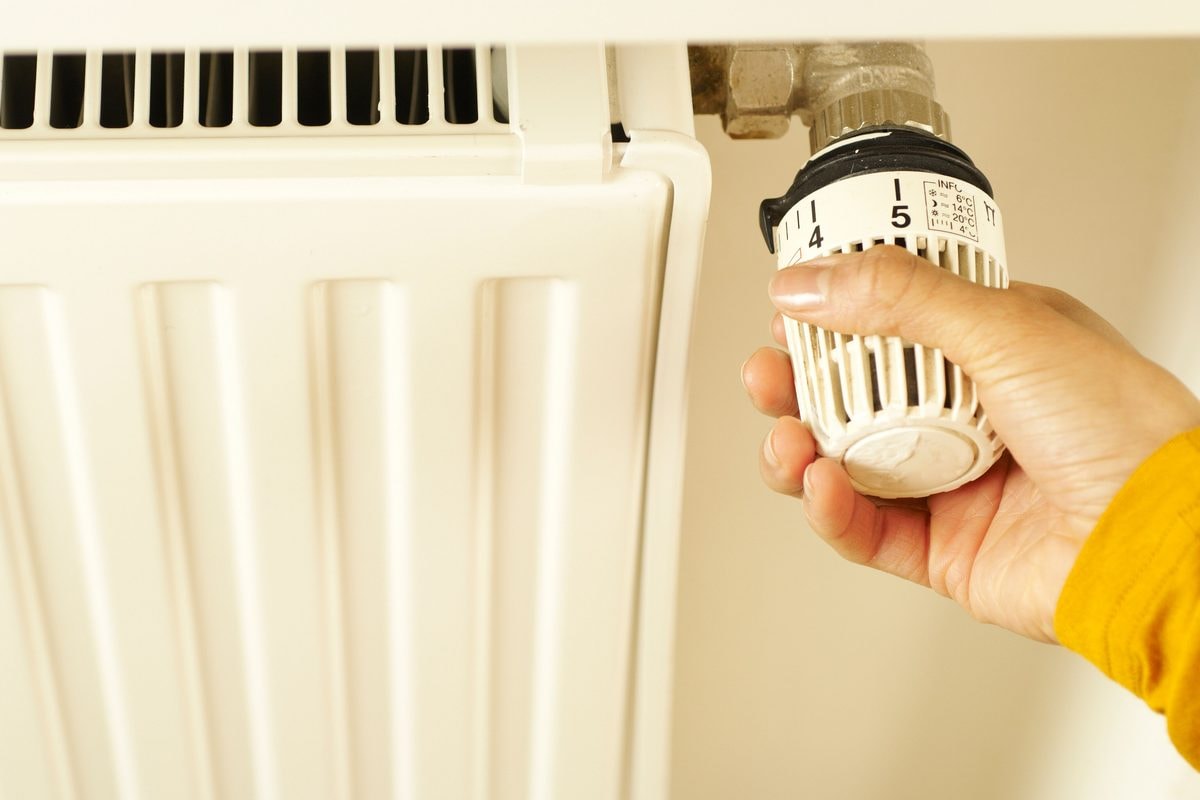
Indoor temperature also plays a major role. During the heating season, around 20°C is a reasonable target, and room temperature should not exceed 23–24°C.
When to See a Doctor
Seek medical advice if self-care does not help, your skin is itchy or inflamed, your eyes are red and painful, your vision deteriorates, or a cough and throat symptoms persist for weeks. According to Terveyskirjasto, dry skin can sometimes indicate a more serious skin condition, such as widespread skin redness, which requires individually tailored treatment. Sudden shortness of breath, severe eye pain or a sudden change in vision require urgent medical attention, including emergency care if necessary.
During an online consultation, a doctor can assess whether persistent skin, eye or respiratory symptoms are caused by dry air or something else, and whether further tests or a referral are needed. Treatment decisions are always made by a doctor based on the individual situation.
Written by Dokport's medical director and chief physician Anna Sipilä
Need a doctor?
Describe your symptoms in a remote appointment — a doctor assesses your situation 24/7.
Frequently asked questions
What is a suitable indoor humidity level in winter?
Can dry indoor air cause a dry cough?
Why does skin itch in winter?
How can dry eyes be relieved?
When should you seek help for symptoms associated with dry indoor air?
Read also
- COPD: Symptoms, Causes, Diagnosis and Living Well with the Condition
- Eyelid Problems: Stye, Chalazion and Blepharitis Explained
- High blood pressure: measurement, causes and treatment
- Pink Eye (Conjunctivitis): Symptoms, Causes, Treatment, and Recovery
- Pollen allergy: symptoms, causes, treatment, and everyday relief
- Stye in Eye: Causes, Symptoms, Treatment, and When to See a Doctor