
Breast self-examination: getting to know your breasts, calmly
Key points
- Breast self-examination is about learning your own normal: breast tissue is naturally uneven, and a size difference between the two sides is common.
- Once a month is enough, and the best time is within about a week after your period ends, when tenderness and swelling are at their lowest.
- Cycle-related tenderness and lumpiness are usually felt on both sides and change with the menstrual cycle — unpleasant, but harmless.
- Around 75 percent of breast-related complaints are benign, but you cannot tell what a lump is by touch alone, so every new lump should be examined.
- A new lump, skin dimpling, an inward-turning nipple or bloody discharge should be checked within days, and a red, hot breast with a fever needs same-day care.
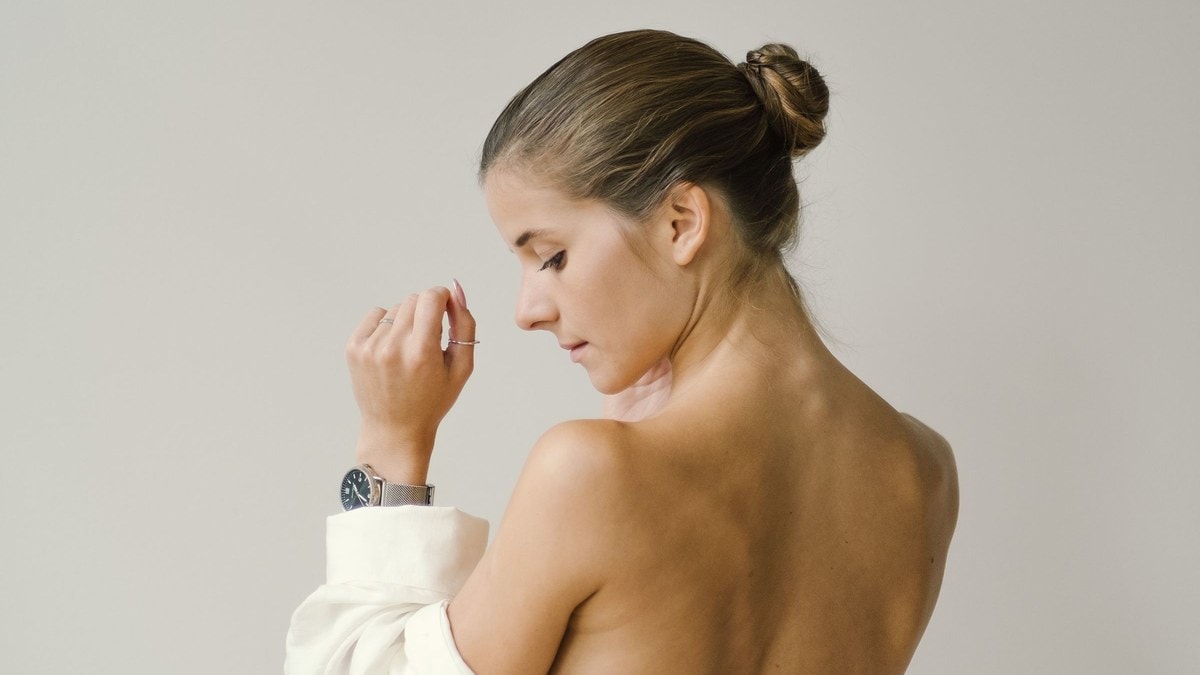
Doctors recommend making breast self-awareness part of your everyday routine.
Your breasts are never exactly the same from month to month, and that is completely normal. Hormones, the menstrual cycle, pregnancy, breastfeeding and age all shape breast tissue throughout your life. What matters is learning what is normal for you.
Breast self-examination starts with knowing your normal
Breast tissue is naturally a little uneven because it is made up of glandular tissue, milk ducts, fat and connective tissue. Many people find their breasts feel lumpy or dense in places, and a size difference between the two sides is common. When you examine your breasts regularly, your fingers gradually learn what is typical for you. A new or different area then stands out much more easily.
Self-examination does not have to be perfect or technical. Some people do it in the shower, where soapy fingers glide easily over the skin, and others lying in bed before sleep. Regularity and a relaxed attitude matter more than flawless technique. Self-examination does not replace screening, so follow your local screening programme as advised.
How to examine your breasts
Feel your breasts with the pads of your fingers, using small circular movements and pressing the tissue gently against the chest wall. Cover the whole breast and the area around the nipple, and continue up into the armpit, because breast tissue extends in that direction too. Many find it easiest to work systematically, for example one quarter at a time. You can do this standing or lying down with your arm above your head, which spreads the breast tissue more evenly.
A good time is within about a week after your period ends, when hormone-related tenderness and swelling are at their lowest. If you do not have periods, simply pick an easy-to-remember day once a month. Regularity helps, because changes can develop slowly and may go unnoticed at first.
Cycle-related tenderness and lumpiness are common
Breast tenderness, swelling and a feeling of fullness are often linked to hormonal changes during the menstrual cycle. Symptoms are typically strongest in the second half of the cycle and ease once the period starts. The discomfort is usually felt in both breasts and may spread to the armpits, and although it is unpleasant, it is harmless. Hormonal contraception, early pregnancy and menopausal hormone therapy can also make breasts tender.
Many people have what are called fibrocystic changes, where the tissue feels lumpy in places and may contain small fluid-filled cysts. These are not a disease as such, and they do not increase the risk of breast cancer. If you notice tenderness and a lumpy area before your period, a good rule of thumb is to check the spot again after your period. If it has settled by then, it is most likely a normal cycle-related variation.
Most breast lumps are benign
Finding a lump is frightening, and that reaction is completely understandable. It helps to know that, according to the Duodecim medical reference Terveyskirjasto, around 75 percent of breast-related complaints are benign. Common benign findings include fluid-filled cysts, fibroadenomas and fatty lumps called lipomas. These often feel smooth and move under the fingers.
Even so, you cannot tell by touch alone what a lump is, and you do not need to try. Every new lump should be examined, which means a clinical breast examination by a doctor and, when needed, imaging such as ultrasound or mammography. Most of the time the answer is reassuring, and even then the knowledge is valuable. The sooner things are clarified, the less time is spent worrying.
Breast changes that are worth getting checked
Contact a doctor whenever you notice a new lump or another clearly palpable change in your breast or armpit. The same applies if the skin shows a dimple or puckering, if a nipple turns inward over a short period of time, or if the skin of the breast or areola changes clearly. Nipple discharge also deserves a check, especially if it is bloody, comes from one breast only or keeps going for a long time.
A useful habit is to compare the two sides. Cycle-related sensations are usually felt on both sides and vary from week to week, whereas a change that needs examining often stays on one side and does not settle after your period. Persistent pain or a change on one side is therefore worth showing to a doctor, even without any other symptoms. Do this even if you have just had a screening appointment or have one coming up soon.
When to see a doctor about breast changes
Cycle-related tenderness on both sides usually needs no urgent action, and a well-fitting, supportive bra and regular exercise can ease it. If a lumpy area appears only before your period, you can check it again after the cycle. If the symptoms affect your daily life or you are unsure what you are feeling, it is a good idea to talk to a doctor.
A new lump in the breast or armpit, skin dimpling, nipple changes, bloody or one-sided discharge and any persistent one-sided change should be checked soon. Contact a doctor within days rather than weeks, and do not wait for your next screening. The cause is usually harmless, but only an examination can confirm it.
Seek care the same day if the breast is red, warm and painful and you have a fever, or if redness spreads quickly. Do the same if there is pus-like or foul-smelling discharge from the breast. Symptoms like these can point to an infection that needs prompt assessment.
A small habit for breast cancer awareness month
Breast self-examination takes only a few minutes a month, and it is one way to look after yourself without stress. Most changes people notice turn out to be harmless, and when they are not, it is good that they get checked in time.
Written by Dokport's medical director and chief physician Anna Sipilä
Need a doctor?
Describe your symptoms in a remote appointment — a doctor assesses your situation 24/7.
Frequently asked questions
How often should I do a breast self-examination?
Is it normal for breasts to feel lumpy?
Is breast tenderness before my period a cause for concern?
Does a breast lump mean cancer?
Can a remote doctor examine a breast lump?
Does self-examination replace screening?
Read also
- Online Doctor: What You Can Treat at a Virtual Appointment
- How to Get a Doctor's Note Online
- Menopause Symptoms: Causes, Signs and Treatment Options
- Urinary Tract Infection (UTI): Symptoms, Causes and Treatment
- Endometriosis: Symptoms, Diagnosis and Treatment Options
- PCOS: Symptoms, Causes and When to See a Doctor