

Norovirus: Symptoms, Treatment, Spread and Recovery
Key points
- Norovirus is a highly contagious virus that causes sudden gastroenteritis, a stomach bug.
- Typical symptoms are nausea, vomiting, watery diarrhea, stomach cramps, weakness and sometimes a mild fever, usually starting abruptly.
- The incubation period is short, about 12–48 hours, and it spreads easily via hands, surfaces, contaminated food and close contact.
- There is no specific antiviral; care centres on rest and frequent small sips of fluids, and most people recover within 1–3 days.
- Seek care if you cannot keep fluids down, show signs of dehydration, symptoms persist, or the person is a young child, elderly, pregnant or chronically ill.
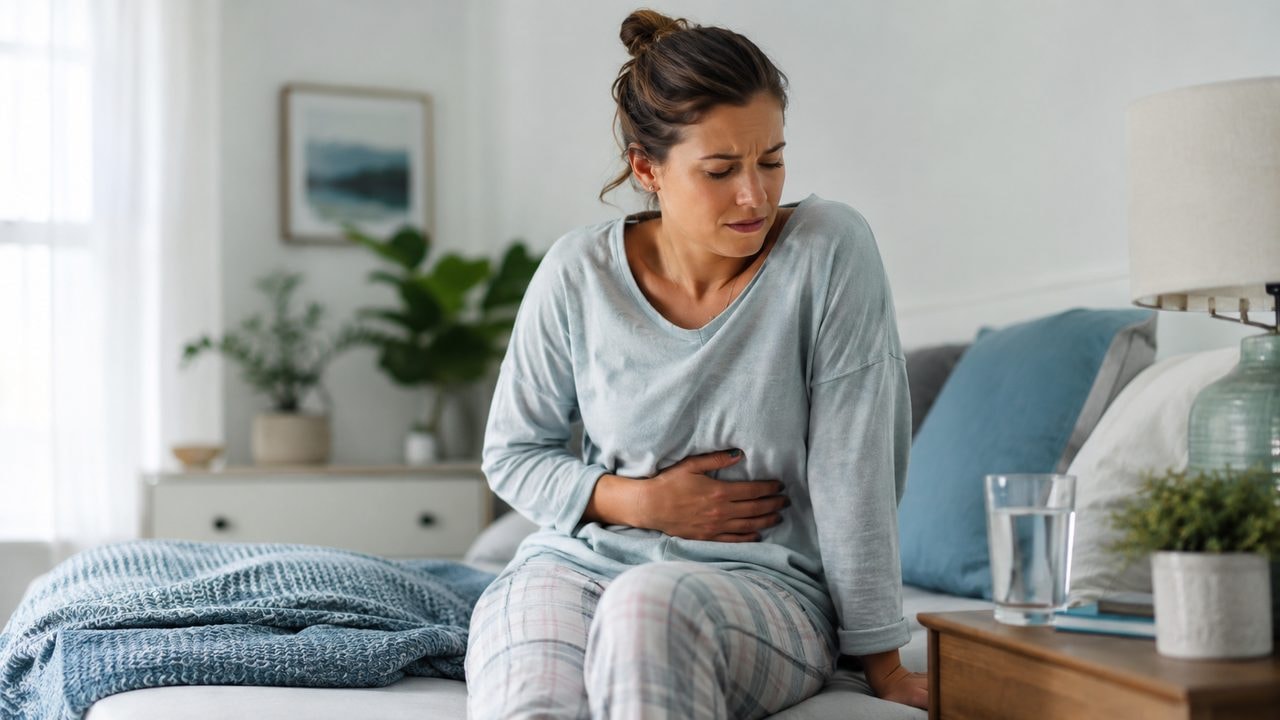
Norovirus is a highly contagious cause of sudden vomiting and diarrhea. It can affect adults of any age, often begins quickly, and usually improves within a few days with careful fluid intake and rest. Although the illness can feel intense, most healthy adults recover at home without specific medicine. The main risks are dehydration, spreading the virus to others, and mistaking a different illness for a typical stomach infection.
This article explains what norovirus is, the most common norovirus symptoms, how the infection spreads, how long symptoms and contagiousness can last, what helps at home, and when medical advice is sensible. The focus is practical adult guidance, with brief notes for households where children, older adults, or people with long-term conditions may also be affected.
What is norovirus?
Norovirus is a group of viruses that infects the gut and causes acute gastroenteritis, which means short-term inflammation of the stomach and intestines. Norovirus is sometimes called winter vomiting illness because outbreaks are common during colder months, but infection can happen at any time of year. The older term Norwalk virus refers to the same family of viruses and is still used occasionally in medical and public health contexts.
The infection is different from influenza. Flu mainly affects the airways, while norovirus affects the digestive system. Nausea, vomiting, watery diarrhea, stomach cramps, aching, and a low fever or feverish feeling are more typical than cough or sore throat. Some adults get all of these symptoms, while others have mainly vomiting or mainly diarrhea.
The illness usually starts abruptly. A person may feel well earlier in the day and then develop strong nausea, vomiting, or diarrhea within hours. This sudden onset is one reason norovirus can disrupt work, travel, childcare, and shared households so quickly. Even when symptoms are unpleasant, the illness is usually short-lived and does not commonly cause long-term bowel problems in otherwise healthy adults.
Immunity after norovirus infection is limited. Having had the illness once does not reliably protect a person from getting it again, partly because there are several types of the virus and the immune protection may fade. This is why repeated episodes can occur in the same household, workplace, or community over time.
Norovirus symptoms in adults
Norovirus symptoms often begin suddenly after a short incubation period. The most recognizable pattern is nausea followed by vomiting, watery diarrhea, or both. Stomach cramps, general weakness, headache, muscle aches, chills, and a mild fever can also occur. Adults often describe the first day as the hardest because fluid loss can build quickly when vomiting and diarrhea happen close together.
The intensity varies. One adult may have repeated vomiting for several hours and then improve, while another may have diarrhea for a couple of days with less vomiting. Appetite is usually low at first. Mild stomach discomfort and irregular bowel movements can continue after the worst phase has passed, even when the person is clearly recovering.
Symptoms of norovirus usually do not include bloody diarrhea, severe one-sided abdominal pain, confusion, stiff neck, or ongoing high fever. These features can point to another cause or to dehydration or another complication, so they deserve medical attention rather than being assumed to be part of a typical viral stomach illness.
For most adults, the practical aim during the symptom phase is to protect hydration, reduce spread, and rest. It is usually not necessary to force normal meals on the first day. Small, steady sips of fluid are often more realistic than large drinks, especially if vomiting is frequent.
Norovirus incubation period: when symptoms usually begin
The norovirus incubation period is usually short, commonly about 12 hours to two days after exposure. This means norovirus symptoms may appear the next day or even the same day after contact with contaminated food, water, surfaces, or an ill person. Because the delay is brief, several people who shared the same exposure may become ill around the same time.
A short incubation period can make the source feel obvious, but it is not always possible to know exactly where infection came from. The virus spreads easily in everyday settings because a very small amount can be enough to cause illness. A contaminated door handle, bathroom surface, shared food, or close contact with someone who has recently been sick can all be plausible routes.
If symptoms begin weeks after a suspected exposure, another cause is more likely. If vomiting or diarrhea starts very quickly after a meal, food poisoning from a preformed bacterial toxin may also be considered. In real life, the first step is often the same: replace fluids, rest, monitor symptoms, and seek help if warning signs appear.
How is norovirus spread?
Norovirus is spread mainly through the fecal-oral route, which means tiny amounts of stool or vomit from an infected person reach another person's mouth. This can happen directly through close contact or indirectly through hands, surfaces, food, drinks, or shared objects. The virus is hardy enough to remain infectious in the environment for days, which is why cleaning high-touch areas matters.
Food can become contaminated if handled by someone who is infected with norovirus, especially if hand hygiene is poor after using the toilet or cleaning up vomit or diarrhea. Water and uncooked foods can also be involved in outbreaks. In households, the bathroom is a common spreading point because toilet seats, flush handles, taps, light switches, towels, and phones may become contaminated.
People sometimes ask whether norovirus is airborne. It is not usually described as an airborne infection in the same way as respiratory viruses, but vomiting can create droplets that contaminate nearby surfaces and hands. The practical message is to clean the area carefully, avoid touching the face while cleaning, wash hands thoroughly afterward, and handle laundry or waste without shaking it around.
Hand sanitizer can be useful in many situations, but it should not replace soap and water during a suspected stomach virus. Careful handwashing physically removes virus particles more reliably. This is especially important after using the toilet, after cleaning vomit or stool, before preparing food, and before eating.
How long does norovirus last?
For many adults, the worst symptoms last 1 to 3 days. Vomiting may settle first, while diarrhea or stomach sensitivity can continue a little longer. Tiredness may linger after the acute phase, partly because of lost sleep, reduced food intake, and mild dehydration. Most people gradually return to normal eating and activity as fluids stay down and bowel movements improve.
The answer to how long does norovirus last depends on the person, the amount of fluid lost, and whether there are other health issues. A healthy adult may feel noticeably better after 24 to 48 hours. Someone older, pregnant, immunocompromised, or already unwell may take longer and may need earlier medical advice if drinking is difficult.
It is reasonable to be cautious for a short time after symptoms stop. Many public health instructions recommend waiting at least 48 hours after vomiting and diarrhea have ended before preparing food for others, returning to food-handling work, or sending a child back to group care. For ordinary daily life, the most useful rule is simple: stay away from shared food preparation and close-contact settings until symptoms have clearly stopped and hygiene routines are back under control.
Bowel habits can remain slightly unsettled after the infection. Mild looseness, bloating, or reduced appetite for several days is not unusual if it is steadily improving. Ongoing severe diarrhea, blood in stool, persistent fever, or worsening pain should not be treated as expected recovery.
Norovirus treatment and self-care at home
There is no specific antiviral norovirus treatment for routine cases. Antibiotics do not help because the cause is viral, not bacterial. The most important treatment is replacing fluid and salts, resting, and reducing the chance of spreading the virus to others.
During the first day, the stomach may tolerate small amounts better than full glasses. Try frequent sips of water, oral rehydration solution, diluted juice, broth, or another drink that is easy to keep down. Oral rehydration solution can be especially useful when diarrhea is frequent because it contains a measured balance of salts and sugar.
Practical home care steps include:
- Take small sips often, especially after vomiting or diarrhea.
- Use oral rehydration solution if fluid loss is significant or you feel weak.
- Eat lightly when appetite returns, choosing simple foods that feel tolerable.
- Rest and avoid alcohol, heavy meals, and strenuous exercise during recovery.
- Wash hands with soap and water after bathroom use and before touching food.
Anti-diarrheal medicines are not always appropriate. They may reduce stool frequency in some adults, but they can also be unsuitable in certain situations, such as fever, bloody stool, severe abdominal pain, or suspicion of a bacterial infection. If you are unsure, ask a pharmacist or doctor before using them. Medicines for nausea may be considered by a clinician when vomiting prevents drinking, but they are not needed for everyone.
Food can wait until fluids are staying down. When appetite returns, choose small portions and increase gradually. There is no single required recovery diet. Toast, rice, potatoes, soup, bananas, yogurt, or other gentle foods may suit some people, but the best choice is often whatever simple food you can tolerate without making nausea worse.
Preventing spread at home and in shared spaces
Prevention is mainly about hands, surfaces, laundry, and food handling. Because the virus spreads easily and only a small amount may be enough to infect another person, small hygiene gaps can matter. The goal is not perfection; it is to reduce repeated exposure while the ill person is most contagious.
Useful prevention steps include:
- Wash hands with warm water and soap after using the toilet, after cleaning, and before eating.
- Clean bathroom surfaces, taps, flush handles, door handles, light switches, and other high-touch areas.
- Avoid preparing food for others while ill and for at least 48 hours after vomiting and diarrhea stop.
- Wash contaminated clothes, towels, and bedding promptly, handling them gently.
- Keep personal towels separate and avoid sharing cups, cutlery, or water bottles during illness.
When cleaning vomit or diarrhea, protect your hands if possible and clean from the least contaminated area toward the most contaminated area. Dispose of waste carefully. After cleaning, wash hands well with soap and water. If a household has one bathroom, consider cleaning high-touch points more often during the illness and keeping toothbrushes and personal items away from the toilet area.
The virus can live on surfaces for several days, so cleaning remains useful even after the worst symptoms pass. This does not mean every object in a home is dangerous. It means the most touched bathroom and kitchen surfaces deserve attention until the household has been symptom-free for a short period.
When to seek medical advice
Most typical adult cases do not need a test or a doctor visit. Medical advice is sensible when the illness is unusually severe, recovery is not following the expected pattern, or dehydration is possible. A clinician may also help when symptoms could be caused by something other than a short viral stomach infection.
Seek medical advice urgently if you have signs of significant dehydration, such as very little urination, dizziness when standing, confusion, a very dry mouth, or extreme weakness. Get help if you cannot keep fluids down, if vomiting is continuous, or if diarrhea and vomiting are causing rapid worsening.
You should also contact a healthcare professional if fever does not improve after a couple of days, diarrhea continues without easing for more than about three days, there is blood in the stool, or abdominal pain is severe or localized. These features can suggest another infection or another abdominal problem that needs assessment.
Extra caution is needed for older adults, pregnant people, people with kidney disease, heart disease, diabetes, immune suppression, or those using medicines that can be affected by dehydration. Children can dehydrate faster than adults, so a child with poor drinking, unusual sleepiness, no wet nappies or urination, or persistent vomiting should be assessed promptly.
Testing is not usually needed for an individual with classic symptoms that settle quickly. In outbreaks, healthcare or public health teams may use stool testing or environmental sampling to identify the virus and guide control measures. For one adult recovering at home, the main decision is usually whether symptoms and hydration are safe enough for self-care.
How can Dokport help with norovirus?
Dokport can offer access to a remote doctor without a traditional appointment booking process. If symptoms are worrying, prolonged, or difficult to interpret, a doctor can assess the situation through chat and give personalized guidance on hydration, self-care, medicines, work ability, and whether further care is needed.
Remote care can be especially useful when leaving home would be difficult or could expose others. A doctor can help separate a typical short stomach illness from warning signs that require in-person assessment, urgent care, or testing. If appropriate for the situation, medication or sick leave may be prescribed, but these decisions depend on the individual assessment and are not guaranteed.
The aim is fast, easy, and safe access to medical support. For suspected norovirus, remote guidance may be enough when symptoms are typical and hydration is manageable. If there are signs of dehydration, severe pain, blood in stool, persistent fever, pregnancy-related concern, or a vulnerable patient, the doctor can guide the person toward further testing or an in-person visit when needed.
Common myths and practical clarifications
One common myth is that norovirus can be treated with antibiotics. Antibiotics target bacteria, so they do not treat a viral gut infection. They can also disturb the gut and sometimes worsen diarrhea, so they should only be used when a clinician has a clear reason to suspect or confirm a bacterial cause.
Another misunderstanding is that hand sanitizer is enough. Alcohol-based sanitizer may reduce some germs, but soap and water are more reliable for removing this virus from hands. Sanitizer can still be a backup when a sink is unavailable, but during an active stomach illness, handwashing should be the main habit.
It is also easy to assume that once vomiting stops, there is no risk to others. In practice, it is better to keep hygiene strict for a short period after symptoms end, especially around food preparation and shared bathrooms. The 48-hour caution period is a practical way to protect others while returning gradually to normal routines.
Finally, not every episode of vomiting and diarrhea is the same infection. Food poisoning, other viruses, bacterial gut infections, medication side effects, migraine, pregnancy, alcohol, and abdominal conditions can all cause similar symptoms. The pattern of sudden onset, short duration, close contacts becoming ill, and recovery within a few days supports a viral explanation, but warning signs should still be taken seriously.
Recovery, return to work, and everyday precautions
Return to normal activity when vomiting and diarrhea have stopped, fluids are staying down, and energy is coming back. Many adults need an extra day of lighter activity after the worst symptoms pass. Pushing hard too soon can make weakness and dizziness more noticeable, especially if fluid intake has been low.
If your work involves preparing food, caring for vulnerable people, or close contact in shared settings, follow local workplace health instructions and be especially careful about the symptom-free period. Even outside these roles, it is considerate to avoid close contact and shared meals until you are clearly better.
Hydration remains important during recovery. Urine that becomes gradually lighter, improving energy, and the ability to eat small meals are reassuring signs. If you feel faint, cannot drink normally, or symptoms return after seeming to improve, it is worth asking for medical advice.
A calm approach is usually enough: drink, rest, clean the key surfaces, protect others from exposure, and get help if the illness is not following the usual short course. Most adults recover fully, but the infection deserves respect because it spreads easily and dehydration can develop faster than people expect.

Need a doctor?
Describe your symptoms in a remote appointment — a doctor assesses your situation 24/7.
Frequently asked questions
What is norovirus?
What are the first symptoms of norovirus?
How long does norovirus last?
What is the norovirus incubation period?
How is norovirus spread?
Is norovirus airborne?
How long are you contagious with norovirus?
Can norovirus live on surfaces?
What is the best norovirus treatment?
Do antibiotics help norovirus?
What should I drink if I have norovirus?
When can I eat normally again?
When should I contact a doctor?
Can I get norovirus more than once?
How can I protect others at home?
Can Dokport help with suspected norovirus?
Read also
- Chlamydia: Symptoms, Testing and Treatment
- Tonsillitis: Symptoms, Treatment, Recovery, and When to Get Help
- Prolonged Cough: Causes, Treatment and When to See a Doctor
- Adenovirus: Symptoms, Infection, Conjunctivitis, and Treatment Guide
- Flu Symptoms: How to Spot Flu, How Long It Lasts, and When to Seek Help
- Hantavirus: Symptoms, Transmission, and Treatment