

Ear infection in adults and children: symptoms, home care and when to see a doctor
Key points
- An ear infection can affect the middle ear, the outer ear canal or, less often, the inner ear, and each type is treated differently.
- Most middle ear infections improve within about three days, and pain relief, rest and fluids are the foundation of home care.
- Antibiotics make little difference for most children, so watchful waiting is often recommended and a doctor decides individually.
- Earache can also come from earwax, eustachian tube problems or referred pain from the jaw, teeth or throat.
- Swelling behind the ear, a stiff neck, severe headache, facial weakness, sudden dizziness or fever in a baby under three months need urgent care.
An ear infection is one of the most common reasons for earache, especially in young children, and in most cases it settles within a few days. The symptoms depend on where the infection sits and on the age of the person who has it. A toddler may simply be restless, feverish and unable to sleep, while an older child or an adult usually describes a clear, throbbing pain in one ear. This guide explains the different types of ear infection, what usually helps at home, when antibiotics are and are not used, and which warning signs mean you should get medical help quickly.
The term "ear infection" covers more than one condition. A middle ear infection develops behind the eardrum and often follows a cold, whereas an outer ear infection affects the skin of the ear canal and is often linked to water or irritation. Earache can also come from earwax, pressure problems or even the jaw, teeth or throat. Knowing the difference helps you judge what to do next, although only an examination of the ear can confirm the cause.
Ear infection types: middle ear, outer ear and inner ear
The ear has three parts. The outer ear includes the visible ear and the ear canal, which ends at the eardrum. Behind the eardrum is the middle ear, a small air-filled space connected to the back of the nose by a narrow channel called the eustachian tube. Deeper still lies the inner ear, which handles both hearing and balance.
A middle ear infection, known medically as acute otitis media, is an infection of the space behind the eardrum. It can be caused by viruses, such as those behind colds and flu, or by bacteria, and the two often occur together. It is far more common in children than in adults, partly because a young child's eustachian tubes are shorter and work less efficiently. Incidence is highest in children under two, and a large share of children have had at least one middle ear infection by the age of three.
An outer ear infection, called otitis externa and often nicknamed swimmer's ear, is inflammation of the skin lining the ear canal. It affects adults and children alike. Most cases are caused by bacteria, and a smaller number by fungi, usually after water, soap or scratching has damaged the canal's protective layer. Although the pain can feel similar, it is a different condition from a middle ear infection and is treated differently.
An inner ear infection is less common. It may be caused by a virus or bacteria and can lead to labyrinthitis, an inflammation that typically causes dizziness, a spinning sensation and sometimes hearing problems. Because balance is affected, an inner ear problem usually feels quite different from ordinary earache.
Ear infection symptoms in children
In children, ear infection symptoms often begin a few days into a cold. A child who was coping with a runny nose may suddenly become irritable, cry more than usual, wake at night or refuse food. Older children can usually say that their ear hurts, and the pain is often worse when lying down. Fever is common, and young children may also have nausea, vomiting or diarrhoea.
Babies and toddlers cannot explain where it hurts, so the signs are less specific. Rubbing, pulling or tugging at the ear, not reacting to some sounds, restlessness, a reduced appetite and trouble sleeping are all typical clues. Some young children also seem clumsy or lose their balance more often. Ear tugging on its own is not proof of an ear infection, because babies touch their ears for many reasons, so it is the combination of signs that matters.
Sometimes pressure behind the eardrum makes it tear, and pus or fluid drains from the ear. This often brings rapid relief from pain, which can be surprising to parents. A small tear in the eardrum usually heals on its own, but discharge from the ear is still a reason to have a child checked by a doctor. Fluid coming out of the ear should be wiped away gently from the outside, never cleaned out with a cotton bud.
After a middle ear infection, fluid can stay behind the eardrum for weeks. This condition, often called glue ear or otitis media with effusion, does not usually cause fever or pain. It can, however, muffle hearing for a while, so a child may seem inattentive, turn the volume up or not respond when spoken to. If hearing still seems reduced several weeks after an ear infection, it is worth discussing with a doctor.
Ear infection symptoms in adults
Adults get middle ear infections less often than children, but they do happen, usually alongside or after a cold, sinus problems or allergies. The typical picture is a deep, aching pain in one ear, a blocked or full feeling and muffled hearing. Some people also have a fever and feel generally unwell. If the eardrum tears, discharge may appear and the pain often eases.
In adults, an outer ear infection is a frequent cause of earache. Pain in the ear canal, itching, a feeling that the ear is blocked and a watery or foul-smelling discharge are typical. A useful clue is that the pain gets worse when the outer ear is gently pulled or when the small flap of cartilage in front of the canal is pressed. If the canal swells, hearing can become dull, and moving the jaw may feel uncomfortable.
Not every earache in an adult is an ear infection. Pain that gets worse when chewing or opening the mouth can come from the jaw joint or the teeth, and earache with pain on swallowing often comes from the throat. In these cases the ear itself may be healthy, and the pain is felt in the ear because the same nerves serve several areas. A doctor can usually tell the difference by asking about the symptoms and examining the ear, mouth and throat.
Outer ear infection and swimmer's ear
An outer ear infection usually starts when the delicate skin of the ear canal is irritated or broken. Common triggers include water, shampoo or soap getting into the ear, stagnant water after swimming, water trapped behind earwax, and damage from cotton buds, fingers or scratching. Hot, humid weather makes the condition more likely. People with eczema, psoriasis or other skin conditions in the ear, and people who use earplugs or hearing aids that do not fit well or are not cleaned regularly, are also more prone to it.
The symptoms of this type of ear infection include pain, redness, itching and swelling of the canal, sometimes with a white, yellow or watery discharge. Fungal infections tend to cause intense itching and a full feeling in the ear. A boil in the ear canal can be very painful until it bursts. Diabetes and conditions that weaken the immune system make outer ear infections more likely and can make them harder to treat.
Treatment is chosen by a doctor or other qualified clinician after looking into the ear. It usually involves keeping the ear dry and using medicated ear drops, and the type of drop depends on whether the cause is likely to be bacterial, fungal or mainly inflammation. If the canal is full of debris, a clinician may clean it first, for example with gentle suction, and a very swollen canal may need a small medicated wick so that drops can reach the skin. Tablets are rarely needed and are mainly considered when the infection has spread beyond the canal or the person has diabetes or a weakened immune system.
Most outer ear infections improve within a few days of starting the right treatment, although the full course often lasts around a week or more. Ear drops only work if they reach the canal, so lying with the affected ear facing up for a few minutes after using them helps. If an outer ear infection does not get better with treatment, a doctor may take a swab to identify the cause or refer you to an ear, nose and throat specialist. A very rare but serious form can spread into the bone of the skull, which is one reason persistent or severe pain should always be reviewed.
Other causes of earache
Earwax build-up is a common cause of a blocked feeling in the ear. It can cause reduced hearing, earache, ringing or buzzing in the ear and sometimes dizziness. Earwax normally clears by itself, and pushing cotton buds or fingers into the ear tends to push it deeper. A pharmacist can advise on softening drops, and if the ear remains blocked, a nurse or doctor can remove wax with water irrigation, suction or a small instrument.
Eustachian tube dysfunction happens when the tube between the middle ear and the back of the nose fails to balance pressure. It often follows a cold, allergies or sinus problems. Typical symptoms are muffled hearing, as if you were underwater, a feeling of fullness, popping or clicking sounds and sometimes pain caused by pressure on the eardrum. Yawning, swallowing, eating or drinking, or gently trying to pop the ears while pinching the nose may help, and mild cases usually settle on their own; symptoms lasting longer than about three weeks should be checked.
Earache can also be referred pain from nearby structures. A dental abscess, teething in babies, a sore throat, tonsillitis or a throat abscess can all cause pain that is felt in the ear. Flying, diving or other rapid pressure changes can also cause strong earache and, occasionally, damage the eardrum. Because these causes need different approaches, earache that does not fit a cold, or keeps coming back, is worth having assessed.
How long an ear infection lasts
A middle ear infection is usually self-limiting. According to UK guidance, symptoms typically last about three days and can continue for up to a week, and most children get better within three days without antibiotics. The worst pain is usually in the first day or two. Muffled hearing caused by fluid behind the eardrum can take longer to clear.
An outer ear infection usually starts to feel better within a few days once treatment begins and the ear is kept dry. A course of ear drops often lasts about a week or a little longer. Earache in general tends to improve by itself, but if symptoms have not started to settle after two to three days, it is sensible to have the ear examined.
Earache relief and home care
Pain relief is the most important part of home care, whether or not any other treatment is needed. Over-the-counter pain relievers can ease earache and fever, but the right product and dose depend on age, weight and health. Some pain relievers are not suitable for children, babies under a certain age or people with certain conditions, and some are not recommended in pregnancy. Ask a pharmacist or doctor about suitability before giving anything to a child, and always follow the package leaflet.
Simple measures can also help. A warm, not hot, flannel held against the ear can be soothing, and rest and plenty of fluids support recovery. If there is discharge, wipe it away from the outer ear with clean cotton wool. Keep water and shampoo out of the affected ear and avoid swimming until it has healed.
Some common remedies are best avoided. Do not put cotton buds, fingers, oils or other objects into an ear that may have an infection or a torn eardrum. Decongestants and antihistamines are not recommended for middle ear infections, because there is no good evidence that they help. Cough and cold medicines can cause serious side effects in young children and should not be given without professional advice.
If a child has a fever or feels unwell, it is better for them to stay at home until they recover. The ear infection itself is not passed from person to person, but the cold that often triggers it is contagious. Good handwashing helps limit the spread of these viruses within the family.
Ear infection treatment: watchful waiting, antibiotics and ear drops
Most middle ear infections clear up without antibiotics, because the body's immune system can fight off the infection. For this reason, doctors in many European countries and elsewhere often recommend watchful waiting for children who are otherwise well. This means treating pain, watching how symptoms develop for two to three days and reviewing the situation if there is no improvement or the child gets worse. Sometimes a doctor agrees a delayed plan in which treatment is only started if symptoms have not improved after a set time.
Clinical guidance notes that, for most children, antibiotics make little difference to how quickly the pain settles or to common complications. They make little or no difference to pain in the first 24 hours, and the number of children who are helped is similar to the number who get side effects such as diarrhoea or nausea. Unnecessary antibiotics also contribute to resistance, which makes future infections harder to treat. That is why the decision is made individually by a doctor after examining the ear.
Antibiotics are more likely to be considered in some situations. These include very young babies, children who are very unwell or have a high fever, children under two with infection in both ears, and anyone with discharge from the ear. Frequent repeated infections and a higher risk of complications are also taken into account. Whether antibiotics are suitable, and which treatment is chosen, is always decided by a doctor.
Ear drops are a different matter for each type of ear infection. For an outer ear infection, medicated drops are usually the main treatment, while for a middle ear infection, pain-relieving drops are only an option when the eardrum is intact and there is no discharge. Never use any drops if you think the eardrum may be torn unless a doctor has advised it. A doctor or pharmacist can explain which type of drop, if any, is appropriate.
Recurrent ear infections and ear tubes
Some children have one ear infection after another, often during the cold season. Repeated infections are usually new episodes rather than an old infection that never cleared. Preventive courses of antibiotics are not recommended for recurrent episodes. Instead, a doctor will look at the overall pattern, check hearing and consider whether a specialist assessment is needed.
When a child has frequent infections or fluid that stays in the middle ear for months, an ear, nose and throat specialist may suggest small ventilation tubes, often called grommets. The procedure is common, is usually done under general anaesthesia or sedation, and children often go home the same day. The tubes let air into the middle ear and usually fall out by themselves after six to twelve months. Children with tubes can usually wash their hair and swim, although some doctors recommend earplugs for deep water.
In some cases of severe or persistent pain and fever with a bulging eardrum, a doctor may make a small opening in the eardrum to drain the fluid. The opening usually heals by itself and does not affect hearing. These procedures are decided by specialists and are needed only for a minority of children.
Complications of an ear infection
Most ear infections heal without lasting problems. Temporary hearing loss is common while fluid remains behind the eardrum, and it usually returns to normal once the fluid clears. A torn eardrum generally heals within weeks. Long-term ear problems are uncommon, but the World Health Organization lists chronic ear infections and long-lasting fluid in the middle ear among the causes of hearing loss in children, which is why ongoing hearing problems should be checked.
Serious complications are rare. A middle ear infection can occasionally spread to the bone behind the ear, causing mastoiditis, or to the inner ear, causing dizziness and hearing loss. Facial weakness on one side can signal that the infection has reached the nerve that runs through the ear and needs urgent specialist care. Very rarely, infection spreads inside the skull and causes meningitis or an abscess, with warning signs such as a severe headache, a stiff neck, confusion or unusual drowsiness.
When to see a doctor about an ear infection
Mild earache in an otherwise well adult or older child can often be managed at home with pain relief and rest for a couple of days. It is a good idea to contact a pharmacist or doctor if earache lasts more than two to three days, keeps coming back, or comes with discharge, reduced hearing or a fever. A baby under 12 months with a suspected ear infection should be assessed by a doctor. People with diabetes, a weakened immune system or long-term heart, lung, kidney or neurological conditions should also seek advice sooner.
Get urgent medical help on the same day if you or your child feels very unwell, has a very high temperature, feels hot and shivery, or has swelling around the ear. The same applies to new hearing loss, nausea, vomiting or dizziness, a severe sore throat, something stuck in the ear, or a young child with earache in both ears. A baby under three months with a temperature of 38 °C or higher should be seen by a doctor right away, whatever the cause.
Call your local emergency number or go to an emergency department if there is redness, swelling or tenderness behind the ear, the ear starts to stick out, or there is a severe headache, a stiff neck, confusion or drowsiness. Weakness or drooping on one side of the face, sudden severe pain with dizziness or a spinning sensation, and a high fever in someone who is getting worse despite pain relief also need immediate care. Discharge from the ear after a head injury is another reason to seek urgent help. If you are unsure, it is safer to get a medical opinion early.
How a doctor examines the ear
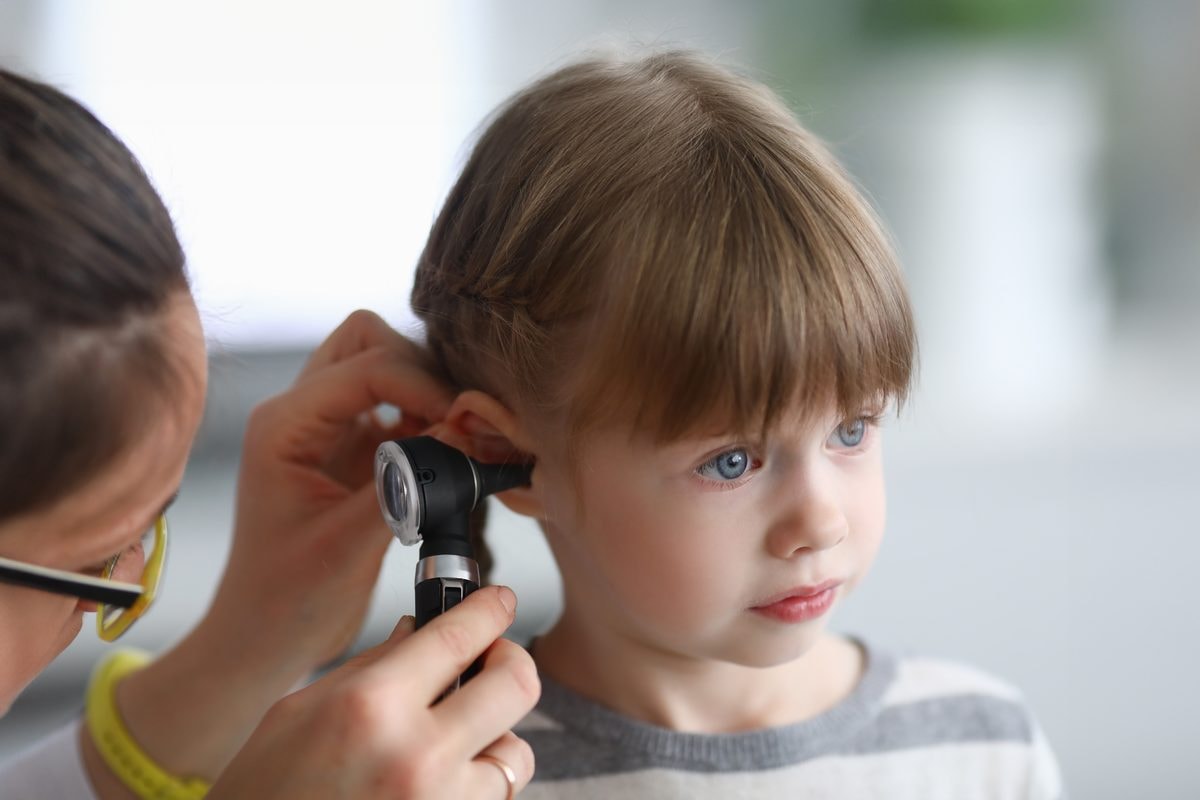
A doctor diagnoses an ear infection by looking into the ear with an otoscope, a handheld instrument with a light and a magnifying lens. In a middle ear infection, the eardrum often looks red and bulging, and fluid or pus may be visible behind it. Some clinicians also use a small puff of air to see how well the eardrum moves. In an outer ear infection, the canal looks red, swollen and may contain discharge or debris.
The doctor will also ask when the ear infection symptoms started, how severe the pain is, whether there is fever or a cold, and whether there have been earlier ear infections. For adults, questions about the teeth, jaw and throat help rule out referred pain. If an outer ear infection does not respond to treatment, a swab from the canal can help identify bacteria or fungi. Findings can change quickly, so a doctor may want to re-examine the ear if the pain gets worse.
Preventing ear infections
Because middle ear infections usually follow colds, anything that reduces colds in the family also reduces ear infections. Regular handwashing helps, and keeping children's routine vaccinations up to date, including vaccines against pneumococcus, Haemophilus influenzae type b and seasonal flu, lowers the risk. Avoiding tobacco smoke is important, since second-hand smoke at home increases the chance of ear infections in children. Air pollution, a family history of ear infections and day care attendance are other known risk factors.
For babies, breastfeeding is linked to a lower risk of ear infections. Babies should not fall asleep with a bottle, because liquid can flow towards the middle ear when lying down. UK health advice also suggests avoiding dummies after about six months of age. None of these steps guarantees that a child will avoid every ear infection, but together they reduce the number of episodes.
Outer ear infections can often be prevented by keeping the ear canal dry and undamaged. Earplugs or a swimming cap help during swimming, and water and shampoo can be kept out of the ears in the shower with a little cotton wool at the entrance of the canal. Dry the outer ear gently with a towel and let the inside dry naturally, or use a hairdryer on the lowest setting held well away from the ear. Avoid cotton buds and scratching, treat eczema around the ears, and clean hearing aids and earplugs regularly.
How Dokport can help with an ear infection
When earache, a blocked ear or a restless child with a cold makes you unsure what to do, Dokport offers quick, easy access to a doctor online. You can describe the symptoms in a chat, and the doctor assesses how urgent the situation is, gives personalised guidance on pain relief and home care, and explains what to watch for over the next few days. The doctor assesses your situation and decides on the appropriate treatment.
A reliable diagnosis of an ear infection usually requires looking at the eardrum with an otoscope, and this cannot be done remotely. That is why the doctor may direct you to an in-person examination, further tests or an emergency department when the symptoms call for it. If any warning signs appear, such as swelling behind the ear, a stiff neck, facial weakness or a very high fever, your local emergency number or emergency department is always the first choice.
The aim of a Dokport consultation is a clear plan: what is likely going on, what to monitor and when to seek care again. Whether any medicine is needed at all is decided individually by the doctor. Fees are listed in the current price list on the Dokport website.
Summary
An ear infection can affect the middle ear, the outer ear canal or, less often, the inner ear, and ear infection symptoms overlap even though the conditions differ. In children, a middle ear infection after a cold is the most common cause of earache, while in adults outer ear infections and referred pain from the jaw, teeth or throat are also frequent. Most middle ear infections improve within about three days, and pain relief and rest are the foundation of home care.
Antibiotics and ear drops are tools that a doctor chooses individually, and watchful waiting is often the recommended first step for children who are otherwise well. Swelling behind the ear, a severe headache, a stiff neck, facial weakness, sudden dizziness, a high fever or a very young baby with a fever all need prompt medical attention. When in doubt, a doctor can help you decide what to do next.

Need a doctor?
Describe your symptoms in a remote appointment — a doctor assesses your situation 24/7.