

Hand, Foot and Mouth Disease at Daycare: Keeping It From Spreading This Autumn
Key points
- Hand, foot and mouth disease is caused by coxsackieviruses and spreads easily in daycare groups once term restarts in the autumn.
- A child can be contagious before any fever or blisters appear, which is why it often moves through a group before anyone suspects it.
- There is no fixed quarantine period in Finland — return to daycare is based on how the child is feeling, not a set number of days.
- Adults can catch it from their children too, often with milder symptoms, and the virus can keep shedding in stool for weeks afterwards.
- Consistent handwashing and avoiding shared cups, towels and toys while symptoms are visible are the best ways to protect the rest of the household.
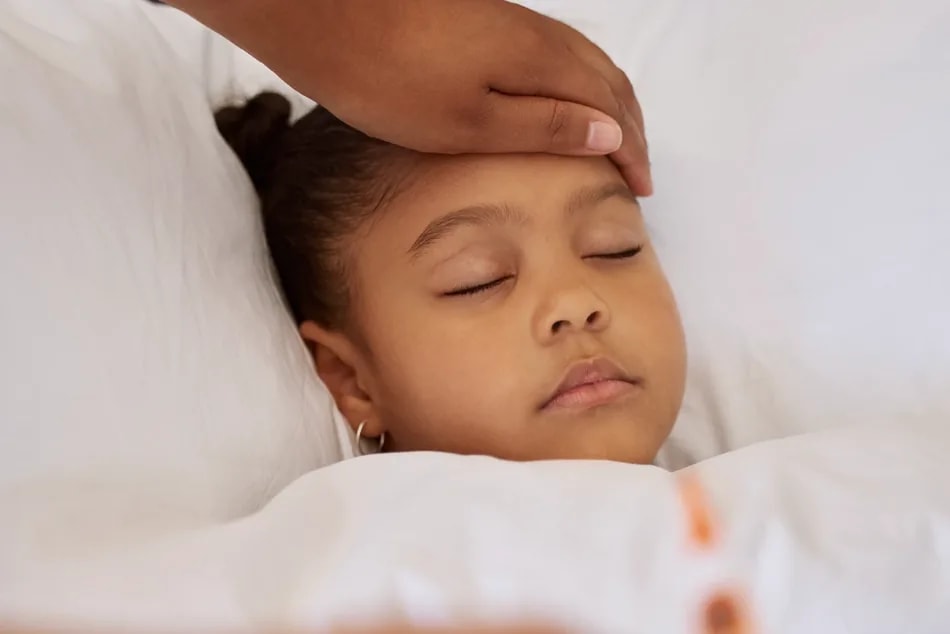
Late August means daycares and schools reopening after the summer break, and along with the reunions and new routines comes the usual wave of colds and stomach bugs that travel home in backpacks. One of the most familiar of these each autumn is hand, foot and mouth disease, a viral illness that spreads easily the moment large groups of young children start sharing rooms, toys and snack tables again. The illness itself is usually mild and clears up on its own, but every parent ends up asking the same three questions: how contagious is this really, how many days does my child need to stay home, and how do I keep it from working its way through the rest of the family.
How contagious is it, really
Hand, foot and mouth disease is caused by coxsackieviruses, and it spreads unusually well in young children's groups because the virus travels through saliva, fluid from blisters and stool, and small children put things in their mouths, share toys and stay in close contact with each other all day. The incubation period between catching the virus and the first symptoms showing up is typically somewhere between a few days and about a week, which means a child can already be contagious before any fever or blisters appear. That timing is exactly why it tends to move through a daycare group before anyone even suspects what is going on.
When can a child go back to daycare
There is no fixed quarantine period or set number of days at home for hand, foot and mouth disease; instead, the decision to return to daycare or school comes down to how the child is doing overall. In practice that means a child can go back once the fever is gone, no new blisters or symptoms are appearing, and they feel well enough to take part in a normal day, including eating and drinking without significant pain from mouth sores. Many daycares also prefer to see visible blisters settle down before a child returns, so it is worth checking your own daycare's policy, since the general guidance is based on how the child feels rather than a strict calendar date.
What if an adult in the household catches it
Hand, foot and mouth disease is not only a childhood illness, and adults can pick it up from their own children, though symptoms in adults are often milder or barely noticeable. Some adults go through it as little more than a mild fever, while others get the same familiar blisters on the hands, soles of the feet or in the mouth that children get. Because the virus can keep shedding from the body for some time after symptoms fade, particularly in stool for several weeks, it is worth keeping up careful hand hygiene in the household well after the visible blisters are gone, not just until they disappear.
How to protect the rest of the household
The single most useful thing at home is consistent handwashing after nappy changes, bathroom visits and before meals, since these are exactly the moments when the virus moves from hands to surfaces and back onto other people's hands. It helps to avoid sharing cups, cutlery and towels with the sick child for as long as blisters or other symptoms are visible, and wiping down shared toys and high-touch surfaces like door handles and taps a little more often helps break the chain of transmission between siblings. Close kissing or face-to-face contact is best avoided until the child is clearly on the mend, even though no formal isolation is otherwise needed.
If you are not sure whether your child's symptoms, or your own, are hand, foot and mouth disease or something else, or you just want a quick read on whether home care is enough or further tests are needed, Dokport's remote doctor can help assess the situation over chat without a waiting-room queue. A remote consultation is a good fit for exactly this kind of situation, where the symptoms and how they are progressing already tell a doctor a lot, and if anything needs an in-person examination, the doctor will point you toward the right next step.
Written by Dokport's medical director and chief physician Anna Sipilä
Need a doctor?
Describe your symptoms in a remote appointment — a doctor assesses your situation 24/7.
Frequently asked questions
Can you get hand, foot and mouth disease more than once?
Does a child always need to see a doctor if this is suspected?
Is there a vaccine against it?
Should siblings be kept apart from a sick child?
Read also
- Hand, Foot and Mouth Disease in Adults: Symptoms, Contagion and When to See a Doctor
- Impetigo: Symptoms and Treatment
- Scabies: symptoms, rash, treatment and when to seek care
- 5 Ways to Strengthen Your Immune System
- Adenovirus: Symptoms, Infection, Conjunctivitis, and Treatment Guide
- Chlamydia: Symptoms, Testing and Treatment