Finland? Get service
Weight Loss: What Helps, What Doesn’t, and When to Get Medical Support
Weight loss is often described as a simple matter of eating less and moving more, but real life is rarely that straightforward. Appetite, sleep, stress, medications, health conditions, emotions, work patterns, and the food environment can all shape body weight. That is why weight loss can feel manageable at one stage of life and unexpectedly difficult at another.
A helpful article about weight loss should do more than list tips. It should explain what tends to work in everyday life, what usually leads to frustration, and when home efforts are enough or when medical support may be useful. In many cases, even a modest change in weight can improve blood sugar, blood pressure, joint symptoms, sleep quality, and day-to-day energy.
The aim is not perfection and it is not punishment. Sustainable weight loss usually comes from realistic changes that can be repeated for months and years, not from short bursts of extreme motivation. A safer and more useful goal is to improve health, function, and eating patterns while allowing weight to move in the right direction over time.
What healthy change really means
In health care, weight loss is not judged only by the number on a scale. The bigger question is whether weight is affecting health, symptoms, and daily function. Two people can have the same body weight and very different health needs depending on where fat is stored, how active they are, what medical conditions they have, and whether their weight has changed rapidly.
Body mass index, or BMI, is often used as a quick screening tool. A BMI in the overweight or obesity range does not tell the whole story, but it can help start a conversation. Waist measurement can also add useful information because carrying more weight around the abdomen is linked with a higher risk of metabolic disease. A weight loss calculator or BMI tool may be a useful starting point, but it cannot replace individual clinical assessment.
Intentional change is usually most beneficial when it is gradual and supported by habits that protect muscle mass, nutrition, mood, and long-term health. Unplanned weight loss is different. If someone is losing weight without trying, especially together with tiredness, digestive symptoms, fever, or other new symptoms, the situation needs medical evaluation rather than a diet plan.
Weight loss starts with understanding what drives weight gain
Many adults blame themselves for every kilogram, yet body weight is influenced by far more than willpower. Easy access to calorie-dense foods, large portions, irregular schedules, stress, poor sleep, low mood, chronic pain, hormonal factors, and some medicines can all make eating regulation harder. Weight stigma can make the problem worse by increasing shame and reducing the chance of asking for help.
This matters because a plan that ignores the real drivers often fails. Someone who skips meals all day and overeats in the evening needs a different approach from someone whose weight rose after a new medication, untreated sleep apnea, pregnancy, menopause, or a long period of burnout. Good weight loss support begins with curiosity, not blame.
It is also worth remembering that obesity is considered a long-term health condition, not a personality flaw. That changes the conversation. Instead of chasing a dramatic short-term drop, the focus shifts toward symptom relief, risk reduction, and routines that can survive stressful weeks, travel, family life, and setbacks.
What a healthy pace usually looks like
Fast results can be tempting, but rapid weight loss is not always the best sign. Very restrictive diets can lead to hunger, low energy, loss of muscle, social strain, and rebound weight gain when the plan becomes too hard to continue. In everyday clinical practice, a slower pace is often more durable.
For many adults, a modest reduction in body weight can already be meaningful. A loss of around 5 to 10 percent of initial body weight may improve blood sugar control, blood pressure, fatty liver, sleep apnea symptoms, joint load, and general well-being. This is one reason why a useful plan focuses on measurable health gains rather than an idealized target weight.
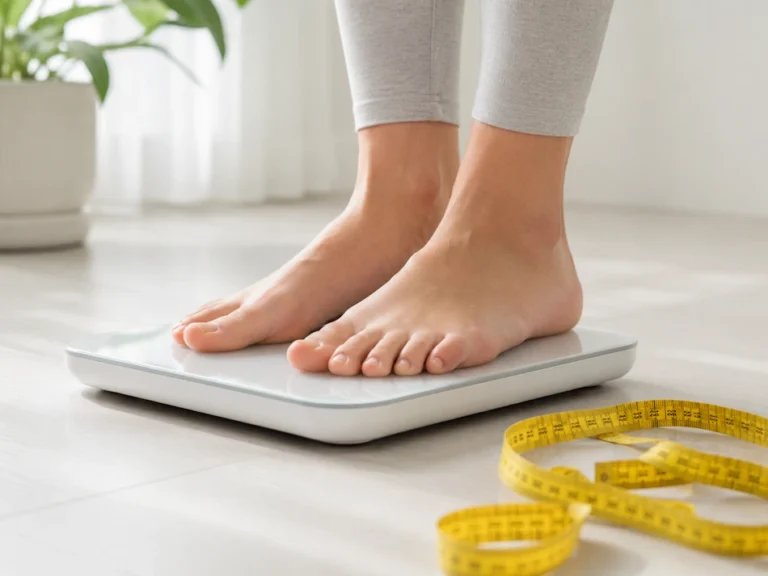
The scale can also fluctuate from week to week because of fluid balance, menstrual cycle changes, salt intake, bowel habits, and strength training. Looking only at daily scale numbers may create unnecessary stress. Tracking waist size, fitness, sleep, hunger patterns, and lab results can give a fuller picture of progress.
Weight loss and food: what actually helps day to day
There is no single perfect diet for everyone, but successful weight loss usually shares a few practical features. Meals are regular enough to prevent extreme hunger, protein intake is adequate, vegetables and fiber help with fullness, and the eating pattern is realistic enough to continue beyond a few weeks. The best eating pattern is often the one that improves satisfaction while quietly lowering total calorie intake over time.
Many people do better when they stop thinking in terms of forbidden foods and start looking at patterns. Skipping breakfast may be fine for one person and a setup for evening overeating for another. Snacking may be a problem if it happens automatically, but a planned snack can also prevent a later binge. The useful question is not whether a food is morally good or bad. It is whether the pattern helps appetite regulation, energy, and consistency.
A practical weight loss routine often includes these changes:
- building most meals around vegetables, fruit, whole grains, beans, fish, eggs, dairy, or other protein-rich foods
- reducing drinks and foods that add calories quickly without keeping you full for long
- eating at a steady pace instead of while distracted, rushed, or standing up
- noticing situations that trigger overeating, such as long gaps between meals, alcohol, stress, or lack of sleep
This kind of plan may sound ordinary, but ordinary habits are often what drive results. Highly processed foods, liquid calories, oversized portions, and constant grazing can add a surprising amount of energy before a person ever sits down to a main meal. Weight loss becomes easier when the home and work environment make the next sensible choice simpler.
Extreme restriction is a common trap. If the plan leaves you hungry, isolated, and preoccupied with food, it is unlikely to last. A calmer, repeatable pattern usually works better than a severe one.
How movement supports lasting results
Exercise is important in weight loss, but not only because it burns calories. Regular movement improves insulin sensitivity, mood, sleep, cardiovascular health, and the ability to maintain muscle during a calorie deficit. It also helps many people protect their results after they have lost weight.
Walking is a strong foundation because it is accessible, low-cost, and easy to fit into daily life. Moderate activity done consistently is often more useful than occasional intense workouts followed by long inactive stretches. Strength training also deserves attention because it supports muscle mass, functional ability, and metabolic health.
If you dislike a certain form of exercise, you probably will not continue it for long. The best activity is one that your body can tolerate and that your schedule can hold. Walking, cycling, swimming, resistance training, dancing, or short home sessions can all support progress when done regularly.
Movement also helps shift the goal away from punishment. When exercise becomes a way to feel stronger, breathe more easily, reduce pain, and cope with stress, it is much easier to keep going after the first burst of motivation fades.
Why sleep, stress, and habits matter
Many stalled attempts make more sense once sleep and stress are examined. Poor sleep can increase hunger, reduce impulse control, lower energy for movement, and make high-calorie foods more appealing. Stress can lead to emotional eating, irregular meal timing, and a constant feeling that there is no room for self-care.
This does not mean someone has to remove all stress before trying to change their health. It means the plan should match the reality of the week. During a demanding period, maintaining regular meals, limiting evening snacking, getting to bed a little earlier, and keeping one or two core movement habits may be more useful than starting an ambitious challenge.
Habits often matter more than motivation. Weight loss becomes less tiring when repeated decisions are simplified: keeping filling foods visible, planning one or two easy lunches, setting a walking reminder, or deciding in advance how to handle takeout, celebrations, and late work nights.
Some adults also benefit from support for emotional eating, binge eating, depression, or anxiety. If food is being used mainly to soothe distress, the answer is usually broader than a calorie target alone.
When progress is harder than it looks
Sometimes good effort does not lead to expected results. Several medical and practical factors may be involved. Certain medicines can promote weight gain or make appetite regulation harder. Pain can reduce mobility. Untreated sleep apnea can worsen fatigue and hunger. Hormonal changes, mental health symptoms, and repeated cycles of restrictive dieting can all influence the outcome.
This is also why comparing your progress with someone else’s is rarely useful. One person may be increasing activity from a very low baseline, another may be dealing with insulin resistance, another may be taking steroid treatment, and another may be recovering from years of chaotic eating. Weight loss is not only about advice quality. It is also about the context in which the advice is applied.
Seek non-urgent medical advice if weight is rising steadily despite consistent efforts, if you suspect a medication is affecting weight, if eating feels out of control, or if excess weight is linked with symptoms such as breathlessness, joint pain, reflux, poor sleep, high blood pressure, prediabetes, or type 2 diabetes.
Weight loss medication, weight loss injections, and weight loss pills
Lifestyle changes remain the base of treatment, but they are not the only option. In some situations, weight loss medication can be considered as part of a broader care plan. This is usually relevant when lifestyle work alone has not been enough, when body weight is clearly affecting health, or when related conditions increase the medical need for treatment.
People often ask whether weight loss pills, weight loss tablets, or weight loss injections work best. The answer depends on the medicine, the person’s health profile, side effects, pregnancy plans, other medications, and how much support is available for follow-up. Some medicines mainly reduce appetite or improve fullness. Others change how the body handles fat in the gut. No medicine replaces everyday habits, but the right medicine may make those habits easier to maintain.
Weight loss injections can be especially useful for some adults because they may improve satiety and reduce food noise. Even then, they need medical review, regular follow-up, and a realistic plan for nutrition, physical activity, and long-term use. Weight often returns after treatment stops, which is one reason why treatment goals should be discussed honestly from the start.
Weight loss pills can also have a role, but they are not all suitable for everyone. Some can raise blood pressure, some can cause digestive side effects, and some are avoided in pregnancy or with certain health conditions. This is why buying products casually online is risky. Safe use depends on medical screening, clear expectations, and ongoing review of benefit and tolerability.
A sensible conversation about weight loss medication should cover more than kilograms. It should include expected benefits, side effects, cost, the need for regular monitoring, and what happens if the medicine helps only a little or becomes hard to continue.
When surgery may be considered
For some people with severe obesity, surgery may offer the most effective long-term improvement in weight and obesity-related disease. It is not a quick fix and it is not the first step for most adults. Surgery is usually considered only after careful assessment, structured non-surgical treatment, and discussion of risks, benefits, and lifelong follow-up needs.
Weight loss surgery changes how much a person can eat at one time and also affects hormones linked with appetite and fullness. After surgery, nutrition, supplementation, and follow-up become especially important. The aim is not only weight change but better health, mobility, and quality of life.
If someone has severe obesity together with type 2 diabetes, sleep apnea, fatty liver disease, joint disease, or other major complications, surgery may be part of the treatment discussion. This decision should always be individualized and guided by a specialist team.
When to seek medical help for body-weight concerns
Not every weight concern needs a doctor straight away, but some situations do deserve professional assessment. Medical help can be useful when the issue is not only appearance but symptoms, function, or a pattern that does not respond to sensible self-care.
Arrange medical review if any of the following apply:
- you have obesity-related symptoms such as breathlessness, loud snoring, daytime sleepiness, reflux, joint pain, or rising blood pressure
- you have prediabetes, type 2 diabetes, fatty liver disease, or other conditions that may improve with treatment-supported weight loss
- your eating feels chaotic, secretive, binge-like, or strongly driven by stress or low mood
- you are considering weight loss medication, weight loss injections, or weight loss surgery and want a safe assessment
- you are losing weight unintentionally or have new symptoms such as abdominal pain, fever, bowel changes, or marked tiredness
Urgent care is needed if unintentional weight loss is rapid, if there are signs of dehydration, if vomiting is persistent, or if severe pain, chest symptoms, fainting, or signs of an acute illness are present.
How can Dokport help with weight loss?
Weight loss support is often easier to start when access to care feels simple. Dokport can offer contact with a remote doctor through chat, which may lower the threshold for asking about weight-related symptoms, eating patterns, medications, or treatment options.
A doctor can review the broader picture: current symptoms, health history, medications, possible obesity-related conditions, and whether home-based weight loss efforts are likely enough or whether more structured support is needed. When appropriate for the situation, the doctor may provide personalized care advice, discuss whether medical treatment could be relevant, and guide the patient toward further testing or an in-person visit.
The goal is not to promise a prescription or a diagnosis through a screen. The goal is faster, easier, and safer access to medical support so the next step becomes clearer.
A realistic mindset for long-term progress
The most useful long-term plan is rarely the most dramatic one. It is the one you can still follow after a stressful week, after a holiday, after poor sleep, or after motivation drops. That usually means repeating a few important basics: regular meals, enough protein and fiber, less mindless calorie intake, movement you can keep doing, and support when the problem is bigger than self-help alone.
Progress is rarely linear. Plateaus happen. Life gets busy. A sensible plan makes room for these realities instead of treating them as failure. If weight starts to rise again, the best response is usually to review routines early and adjust calmly rather than waiting for guilt to grow.
Weight loss is easier to sustain when success is defined broadly. Better stamina, less joint pain, improved blood pressure, steadier eating, better sleep, and more confidence in everyday decisions are all meaningful wins. The scale matters, but it is not the whole story.
Written by Dokport’s medical director and chief physician Anna Sipilä