
Gout: Symptoms, Causes and When to See a Doctor
Key points
- Gout is a form of joint inflammation caused by urate crystallising inside a joint, most often at the base of the big toe.
- A gout attack typically starts suddenly, often overnight, with pain, redness and swelling that build rapidly over a few hours.
- Overweight, heavy alcohol use (especially beer), a purine-rich diet and a family history all raise the risk of developing gout.
- A mild attack often eases with rest, ice and anti-inflammatory painkillers, but recurring attacks are a reason to see a doctor about long-term urate-lowering medication.
- Gout carries an increased risk of cardiovascular disease, so overall health monitoring should be part of good gout care, not separate from it.
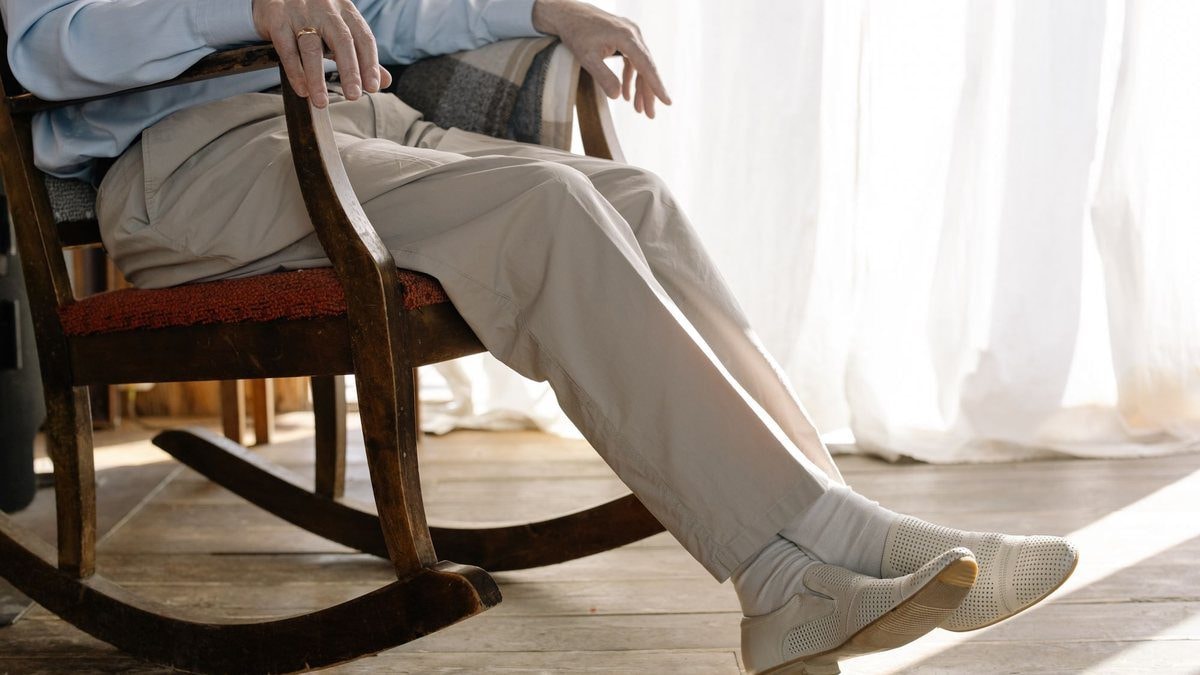
Gout is a form of joint inflammation that often starts without warning, frequently overnight, and at its worst it can make walking almost impossible within a few hours. It develops when uric acid, also called urate, crystallises inside a joint, and it is the most common form of inflammatory arthritis in middle-aged and older adults worldwide. This article explains what causes gout, how to recognise it, what genuinely helps at home, and when the symptoms warrant a doctor's assessment.
What is gout?
In gout, the level of urate in the blood has usually been elevated for a long time before the salt begins to crystallise inside a joint and trigger a forceful inflammatory reaction. Urate is produced when the body breaks down purines, compounds that come both from food and from the normal turnover of the body's own cells. In a healthy person, urate is cleared through the kidneys into the urine, but if the body produces too much of it or the kidneys clear it too slowly, blood levels rise and the risk of crystallisation increases. Gout can be a single, one-off attack, a recurring problem, or over the years a chronic joint condition in which the joints stay swollen even between attacks. It is not the same condition as osteoarthritis or rheumatoid arthritis, even though the symptoms can look similar at first glance.
Gout is clearly more common in men than in women, and most people are diagnosed in middle age or later. In women, the risk rises mainly after menopause, once hormonal factors that had previously helped protect urate balance decline. A family history matters too: if the condition runs in the family, the personal risk of developing it is higher than average.
Across Western countries, gout affects roughly two to three percent of the adult population, and the share has grown over recent decades alongside an ageing population, rising rates of overweight, and more common kidney impairment. A separate, rarer joint condition called pseudogout can look remarkably similar, but in pseudogout the inflammation is caused by calcium pyrophosphate crystals rather than urate crystals. Because the symptoms overlap so closely, telling the two apart usually requires examining a sample of joint fluid, since the long-term treatment and monitoring differ somewhat between the two.
What causes gout
An elevated blood urate level can result from the body producing too much urate, from the kidneys clearing too little of it, or, quite often, from a combination of both happening at the same time. Urate production is increased by overweight, high blood pressure, type 2 diabetes and abnormal blood fat levels — together sometimes referred to as metabolic syndrome — as well as by heavy alcohol use, particularly beer, and by a purine-rich diet that includes a lot of red meat, organ meats, shellfish and sugar-sweetened drinks. Urate clearance, on the other hand, is reduced by kidney impairment, certain medications such as diuretics, and in some cases rare inherited metabolic disorders.
A gout attack can be triggered by all sorts of everyday events, even though the underlying elevated urate level has usually been building unnoticed for a long time beforehand. Common triggers include sudden cold exposure, unusually strenuous physical activity or an injury, surgery, an infection, starting a diuretic medication, and a large, purine-rich meal, often one that included alcohol. Many people can point afterwards to the exact evening that seemed to set the attack off, even though the real cause had been accumulating in the body long before that particular night.
The genetic component shouldn't be underestimated: by some estimates roughly one in four people with gout has another close relative who also has it. That doesn't mean the condition is unavoidable — rather, it means that lifestyle factors deserve closer attention when there is a family history of the condition. Purine content varies considerably between foods: beer, organ meats, game, goose, and the skin of fish and poultry tend to contain the most, while meat, shellfish, legumes and oats contain moderate amounts and generally suit most people well in reasonable portions, even fairly regularly.
Gout symptoms
Gout symptoms usually start abruptly, often in the middle of the night, and the pain builds rapidly to its peak within a matter of hours. The affected joint turns red, swells and feels hot to the touch, and it can become so tender that even the weight of a bedsheet or the lightest touch feels unbearable. The most common site is the base of the big toe, but gout can also inflame other joints in the foot, the ankle, the knee, and more rarely the elbow and other joints in the arm. First attacks usually affect a single joint at a time and last anywhere from a few days to about two weeks, after which the symptoms often disappear completely until the next episode.
If gout goes untreated over a long period, attacks tend to become more frequent, last longer, and can affect several joints at once. Over the years, small, hard deposits called tophi can form under the skin around the joints and in places such as the fingers, toes, ear rims and the extensor surface of the elbows — a sign that urate levels have been elevated for a long time. Some people with gout also develop kidney stones, since the same urate that crystallises in a joint can crystallise in the urinary tract as well.
Gout attack triggers
An acute gout attack tends to follow a fairly recognisable pattern: pain appears suddenly, intensifies rapidly over roughly half a day, and then gradually eases until the joint returns close to normal within a few days to a couple of weeks. During that stretch, ordinary tasks such as putting on a shoe or walking down stairs can be unusually painful. Recurring attacks are not random — they signal that the blood urate level is still too high even between episodes, even if the joint looks completely healthy from the outside in the meantime.
Some people experience gout as a one-off event that never returns, but in the majority of untreated cases, attacks come back within months or a few years. That's why it's worth thinking about lifestyle changes right after the first attack, even once the acute pain has already settled down. Keeping a simple note of when attacks happen and what preceded them helps many people spot their own personal triggers, which makes both prevention and the conversation with a doctor considerably easier later on.
How can gout be relieved at home?
During a gout attack, resting the joint and applying an ice pack a few times a day noticeably eases pain and swelling. Over-the-counter anti-inflammatory painkillers work reasonably well for most people, as long as they're taken according to the package instructions and not combined carelessly with other pain medications. Drinking plenty of fluids, at least a couple of litres a day and preferably water, also supports the body's ability to clear urate.
Over the longer term, diet genuinely matters, even though it doesn't replace medication on its own in more difficult cases. It's worth limiting purine-rich foods such as organ meats, game, shellfish and beer within whatever range the symptoms allow, while whole grains, low-fat dairy products, vegetable oils, and berries and fruit generally suit people with gout well. For those who are overweight, gradual weight loss — no more than about half a kilogram to a kilogram a week — tends to lower blood urate levels more effectively than dietary changes alone, whereas losing weight too quickly or fasting can actually trigger an attack. Alcohol, beer in particular, is best kept to occasional, modest amounts, since it both increases urate production and slows its clearance.
A few small practical adjustments help too: loose, open footwear or keeping a blanket off a painful foot in bed reduces unnecessary pressure and contact on a tender joint. Keeping the joint elevated at rest helps manage swelling in much the same way it does with other joint injuries. Taking pain medication as soon as symptoms start, rather than waiting until the pain has already peaked, tends to work better, so anyone who has had gout attacks before is wise to keep a suitable painkiller on hand.
How does a doctor diagnose gout?
When the symptoms are typical — repeated, days-long episodes of inflammation at the base of the big toe or another lower-limb joint, together with a blood urate level that has been elevated — a doctor can often make the diagnosis without further tests. A definitive diagnosis, however, requires examining a fluid sample taken from the affected joint under a microscope, where the characteristic needle-shaped urate crystals can be seen. This test is used in particular when the symptoms are atypical or when it's necessary to rule out other causes, such as a bacterial joint infection or another inflammatory joint condition.
It's worth remembering that an elevated blood urate level on its own doesn't mean someone has gout, since many people have high urate without ever developing joint pain. In the chronic stage, a doctor can often recognise the condition from persistent joint swelling and tophi under the skin, and imaging such as ultrasound or X-ray can help when needed, occasionally showing the sharply defined bone erosions seen in long-standing disease.
Gout and other health risks
Gout is not only a joint problem — it tends to travel alongside other metabolic and cardiovascular conditions. People with gout are more likely than average to have high blood pressure, type 2 diabetes, abnormal blood fat levels and reduced kidney function, and these same factors both raise urate levels and increase cardiovascular risk. Research links gout to higher mortality than average, particularly from cardiovascular disease, which is why regular monitoring of blood pressure, blood sugar and cholesterol belongs in good gout care just as much as joint treatment does.
Another risk worth knowing about is kidney stones: roughly ten to fifteen percent of people with gout develop them, because the same urate that crystallises in a joint can also crystallise in the urinary tract. Adequate fluid intake, already encouraged as part of everyday self-care, helps reduce this risk as well. This is exactly why good long-term care tends to take a broader view of overall health, rather than focusing narrowly on whichever single joint happens to be flaring up at the time.
Gout treatment
For an acute gout attack, a doctor will usually use anti-inflammatory painkillers, and a short course of corticosteroids — taken orally or injected directly into the inflamed joint — can be added when needed. These measures typically settle the pain and swelling within a few days. After a first attack, a doctor will already assess whether regular urate-lowering medication is needed alongside lifestyle changes, particularly if attacks have recurred or the blood urate level remains high.
The most commonly used long-term gout medication is allopurinol, taken daily, often for years, to keep urate levels within target. If allopurinol isn't suitable or doesn't work well enough, febuxostat or another option assessed by a doctor may be used instead. At the start of treatment, attacks can briefly become more frequent as stored urate crystals begin to release from the body — this isn't a reason to stop the medication, but a sign that treatment is starting to work. In chronic gout, medication is typically long-term, and cardiovascular health is often monitored alongside it, since people with gout carry a higher-than-average risk of heart and blood vessel disease.
When does gout need a doctor's assessment or urgent care?
After a first suspected gout attack, it's sensible to book an appointment with a doctor so the diagnosis can be confirmed and guidance given for both the acute pain and the longer term. A doctor's assessment is also worth seeking when home care hasn't helped within a couple of days, when attacks start recurring more often, or when new lumps appear near a joint. The same applies if someone already diagnosed with the condition starts experiencing symptoms repeatedly in several joints at once.
Urgent assessment is needed if the inflamed joint is extremely hot and intensely red, if it comes with a high fever or a clear decline in overall wellbeing, since these signs can point to a bacterial joint infection instead of, or alongside, gout, and that requires prompt treatment. Severe, rapidly worsening pain accompanied by an inability to use the limb at all is also a reason to seek emergency care without delay.
In practice, situations fall into three levels. Mild, already-recognised gout-type symptoms can usually be managed at home with rest, ice and a painkiller for a few days. If symptoms appear for the first time, don't ease with home care, or start recurring, it's worth booking a routine doctor's appointment. And if there's a high fever, unusually severe pain, or the joint looks clearly worse than usual, that's a situation that calls for urgent assessment rather than waiting it out at home.
How can Dokport help with gout?
If sudden pain and swelling appear in a toe or another joint and it's unclear what's behind it, a doctor reachable through Dokport can assess the situation over chat without a traditional booking process. The doctor will go through the symptoms, how long they've lasted, and any previous gout attacks, then give personalised guidance on how to manage the pain right now. Medication or sick leave may be prescribed when appropriate based on the doctor's assessment, and when needed the doctor can refer the patient onward to lab tests, imaging or an in-person appointment if the symptoms call for closer investigation.
Remote care suits situations where the symptoms look typical and the goal is to ease the pain quickly, but if a bacterial joint infection or another more serious cause is suspected, the doctor will always direct the patient to be examined in person. The aim is to offer a fast, easy and safe route to medical support whenever a suspected flare-up raises questions.
The same applies when gout has already been diagnosed and the attack feels familiar, but a prescription is running low or the symptoms differ slightly from usual. In that case, a conversation over chat may be enough to sort things out without waiting for a traditional appointment slot. Through Dokport it's also possible to discuss longer-term urate management and whether regular medication alongside lifestyle changes might be worth considering, if attacks have started coming back more often than before.
Can gout be prevented?
Recurring gout attacks and progression to chronic disease can often be effectively prevented through lifestyle changes. Weight management, moderate alcohol use — beer in particular — adequate hydration, and keeping purine-rich foods within whatever range symptoms allow all reduce both how often attacks happen and how severe they are. If a diuretic medication is part of the picture, a doctor can assess whether switching it or reducing dietary salt would make sense, since both tend to reduce the need for the medication too.
For some people, prevention requires long-term medication in addition to lifestyle changes, since diet alone isn't always enough to keep blood urate within target when the tendency toward the condition is strongly inherited. In that case, regular medication use and monitoring help prevent both new pain attacks and the longer-term development of tophi and joint damage.
In practice, good prevention is built from several small pieces working together: keeping weight stable without sudden swings in either direction, keeping meal timing regular so hunger and large, indulgent meals don't alternate, and reviewing medications with a doctor from time to time to make sure none of them is raising urate levels unnecessarily. Many people find that once these pieces are in place, attacks stop coming for years, even though the underlying tendency toward the condition remains part of their biology for life.
Summary
Gout is a common but very manageable form of joint inflammation caused by urate crystallising inside a joint. It typically begins as a sudden, painful attack in the big toe or another lower-limb joint, and it's often linked to recognisable risk factors such as overweight, heavy alcohol use and a purine-rich diet. Home care — rest, ice and anti-inflammatory painkillers — usually helps with the acute pain, but recurring attacks are a sign that it's worth seeing a doctor and considering long-term urate-lowering medication. Gout also carries an increased risk of cardiovascular disease, which is why looking after overall health is best seen as part of gout care rather than something separate from it. Treatment started early, together with lifestyle changes, effectively prevents both new attacks and the progression to chronic disease.

Need a doctor?
Describe your symptoms in a remote appointment — a doctor assesses your situation 24/7.
Frequently asked questions
What usually causes gout?
When should I see a doctor about gout?
Can gout be treated at home?
How long does a gout attack usually last?
Does gout come back easily?
Can gout be prevented?
Is medication always needed for gout?
Do painkillers help with a gout attack?
Can I still go to work with gout?
Can a remote doctor help with gout?
When could gout symptoms point to something more serious?
What diet suits someone with gout?
Can alcohol trigger a gout attack?
Why can losing weight sometimes make gout worse?
Does gout always affect the big toe?
Can young people get gout?
Can tophi go away with treatment?
Is gout the same as osteoarthritis?
Read also
- Abdominal Pain: Common Causes, Relief, and When to Seek Help
- Chlamydia: Symptoms, Testing and Treatment
- Cough: causes, symptoms, self-care and when to seek help
- Endometriosis: Symptoms, Diagnosis and Treatment Options
- Hemorrhoids: Symptoms, Medical Care, and When to See a Doctor
- Hives: symptoms, causes, treatment and when to seek medical advice