

Pancreatitis: symptoms, causes and treatment options
Key points
- Pancreatitis is inflammation of the pancreas and can be acute or long term.
- The most common causes are gallstones and heavy alcohol use, and the typical symptom is strong upper abdominal pain that may spread to the back.
- Acute pancreatitis cannot be judged at home and almost always needs hospital care.
- Treatment is individual and includes fluids, pain relief, treating the cause, nutritional support and, where needed, procedures.
- Sudden severe upper abdominal pain together with vomiting, fever or yellowing of the skin needs prompt emergency assessment.
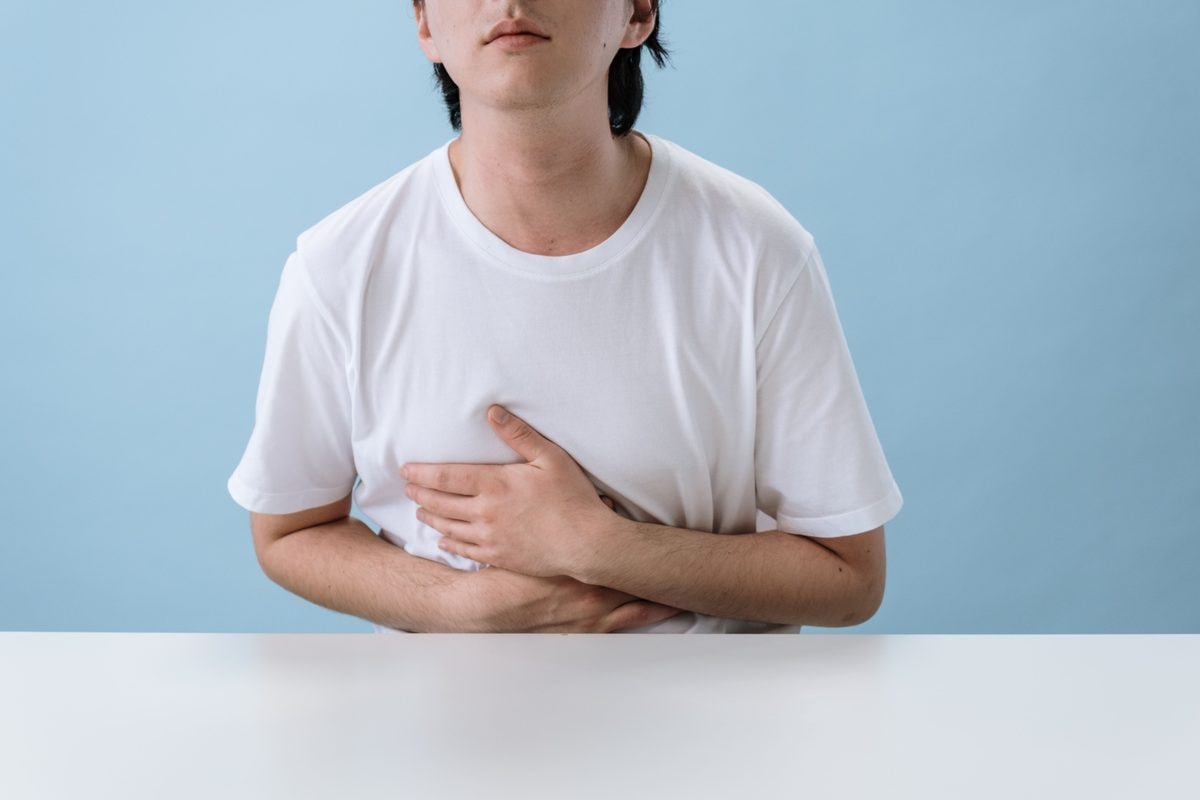
Pancreatitis means inflammation of the pancreas. It can appear suddenly and settle within days, or it can be a long-lasting condition that gradually damages the organ. The typical sign is pain in the upper abdomen that may spread to the back, often together with nausea and vomiting. Because the severity ranges from mild to life-threatening, any suspicion of it calls for a doctor's assessment. This guide explains the causes, symptoms, tests and treatment options, and when urgent care is needed.
Pancreatitis in brief
The pancreas is an organ located behind the stomach in the upper abdomen, and it does two important jobs. It produces digestive enzymes that break down fat, protein and carbohydrate in food. It also makes insulin and other hormones that regulate blood sugar.
In this condition the pancreas's own digestive enzymes become active too early, while still inside the organ, and begin to damage pancreatic tissue. The result is inflammation that causes pain and, in severe cases, wider effects throughout the body. In the acute form the condition develops quickly, whereas in the chronic form inflammation keeps recurring or continues for a long time and the tissue is permanently damaged.
The two main forms are therefore acute and chronic. The acute form can pass within a few days, and the pancreas often heals without lasting damage once the cause has been dealt with. The chronic form gradually weakens how the pancreas works and needs long-term follow-up.
Causes of pancreatitis
The two most common causes of acute pancreatitis are gallstones and heavy alcohol use. In men alcohol is more often the main cause, while in women gallstones are the more common cause. The balance therefore varies with sex, age and lifestyle.
Other possible causes include very high levels of fats in the blood called triglycerides, a high blood calcium level, certain medicines, abdominal injury, and endoscopic procedures or surgery involving the pancreas or bile ducts. Sometimes there is an inherited predisposition, a viral or parasitic infection, or a structural difference in the pancreas. Smoking and obesity raise the risk of developing the condition, although they do not explain it on their own.
In some cases the cause is not obvious at first. The doctor then looks for it more carefully with blood tests and imaging, because knowing the cause helps prevent a recurrence. An episode whose cause is never identified can come back and may gradually lead to the chronic form.
The chronic form usually develops from repeated bouts of acute inflammation. The most common cause is long-term heavy alcohol use, and smoking adds substantially to the risk. Inherited forms are less common but do exist.
Pancreatitis symptoms
Pancreatitis symptoms typically begin with pain in the upper abdomen, which may start suddenly or build up slowly. The pain is often band-like and may spread through to the back. It may be steady and constant and last for several hours or days.
Besides pain, symptoms include nausea and vomiting, and the abdomen may feel swollen and tender to the touch. Fever and a fast heartbeat can also occur. Without treatment the symptoms can last for several days.
Mild pancreatitis symptoms and the severe form
The mild form causes the same symptoms as the severe form, but the person's general condition stays stable and the vital functions keep working normally. The pain can still be intense, so mild does not mean the symptoms are slight. The mild form usually recovers in hospital with fluids and pain relief, once the cause is treated.
In the severe form the inflammation affects the rest of the body, particularly the lungs and kidneys. High fever, shortness of breath, fluid loss and rapid weakening of general condition may occur. Roughly one in ten acute cases is severe, and these patients need intensive care or very close monitoring.
The line between mild and severe cannot be drawn at home. Sudden, strong upper abdominal pain combined with vomiting is therefore always a reason to be assessed, even if the symptoms feel tolerable at first.
What an attack feels like
The acute form most often feels like exceptionally strong pain in the upper abdomen that begins slowly or abruptly. The pain commonly spreads to the back and can worsen after eating. It is often so intense that it dominates everything else.
In the chronic form the pain may be recurring and come in episodes, or it may be constant. Some people have no pain at all. Eating can aggravate the pain, which leads some people to avoid food and lose weight unintentionally.
Long-term inflammation often brings digestive symptoms as well. Stools become loose, fatty and foul-smelling, and bloating and gas increase. These symptoms arise because the pancreas no longer makes enough of the enzymes that break down fat.
Acute pancreatitis
The acute form is a sudden condition that almost always requires tests in hospital and, most often, hospital treatment. It typically starts with band-like upper abdominal pain and vomiting. The diagnosis rests on a combination of symptoms, blood tests and often imaging, and a key blood test measures pancreatic enzymes such as amylase.
In most people the acute form is mild and recovers without lasting damage. In the severe form, parts of the pancreatic tissue may die, and a bacterial infection can develop in the dead tissue. This requires additional treatment and procedures, and recovery takes longer.
After an acute episode it is important to find out what caused it. If a gallstone was the cause, treating it reduces the risk of recurrence. If the cause was alcohol, a high triglyceride level or a medicine, addressing or changing these is the most important way to avoid another episode.
Chronic pancreatitis
Chronic pancreatitis is a long-lasting condition in which pancreatic tissue becomes scarred and its function declines over the years. Symptoms include recurring upper abdominal pain, reduced appetite, weight loss and fatty stools. In some people the symptoms resemble those of an acute episode, and the situation can flare up in phases.
As function declines, the first thing to develop is a lack of digestive enzymes, known as exocrine insufficiency of the pancreas. Fat absorption in particular is impaired, which can lead to diarrhoea, weight loss and deficiencies of fat-soluble vitamins. Later the cells that produce insulin can be damaged, which may lead to diabetes. Signs of diabetes include increased urination and thirst.
Treatment of the chronic form focuses on the cause, pain relief, nutrition and monitoring for complications. Stopping alcohol and smoking is central, because they speed up the progression of the disease and increase pain. Long-term follow-up is usually needed, since insufficiency and diabetes can develop slowly.
Gallstones as a cause
Gallstones are one of the most common causes of the acute form. A stone can travel into the bile duct and block the shared opening of the bile duct and the pancreatic duct, so that pancreatic fluid cannot flow normally into the intestine. The fluid and its enzymes then start to damage the pancreas.
A blocked bile duct may cause yellowing of the skin or the whites of the eyes. If jaundice appears together with upper abdominal pain, a prompt medical assessment is needed.
Gallstones often pass into the intestine on their own, but sometimes they need an endoscopic procedure or surgery. If a gallstone lies behind the episode, the doctor usually considers removing the gallbladder so that another episode does not follow. The need for and timing of gallbladder removal are always assessed individually.
Alcohol as a cause
Alcohol is the other main cause, and its role is prominent in both acute and chronic forms. Heavy drinking can trigger an acute episode, and long-term heavy use is the most common cause of the chronic form. Not everyone who drinks heavily develops the condition, but the risk is clearly raised.
Stopping alcohol is one of the most important lifestyle changes after an episode, because alcohol can cause new episodes and speed up development of the chronic form. Stopping smoking is also important. If giving up alcohol feels difficult, professional support is available.
Other risk factors
Blood fat levels are worth checking when the cause is unclear. A very high triglyceride level can trigger the inflammation, and in that case treating the fat metabolism is part of preventing recurrence. Blood calcium, current medicines and possible inherited factors are also checked when necessary.
Obesity and smoking are recognised risk factors. After an episode a healthy weight, being smoke-free and regular follow-up support recovery. Certain medicines can rarely trigger it, so it is worth going through everything one takes with the doctor.
When to seek medical care for pancreatitis
Urgent care is needed promptly if sudden, severe upper abdominal pain spreads to the back and is accompanied by vomiting. Urgent assessment is also needed if the pain comes with fever, a fast heartbeat, shortness of breath, yellowing of the skin or eyes, or continuous vomiting that prevents drinking fluids. These signs can point to the severe form or a blocked bile duct, and treatment begins in hospital.
Contact a doctor without extreme urgency if upper abdominal pain returns, if pain after meals keeps recurring over several weeks, or if weight drops for no clear reason. It is also sensible to seek assessment if stools are often fatty, loose and foul-smelling, or if there is marked thirst and increased urination. A previous episode is a good reason to discuss follow-up.
A mild, passing stomach upset without strong pain, vomiting, fever or other warning signs can be watched at home. If you are unsure how serious the symptoms are, strong upper abdominal pain should not be waited out at home. Treatment starts in hospital, and early care improves the chances of recovery.
Tests used to diagnose pancreatitis
The doctor starts with an interview and examination. Questions cover the nature of the pain, alcohol use, earlier gallstones, medicines and family history. On examination the upper abdomen is often tender.
Blood tests measure pancreatic enzymes, inflammation markers, and liver, fat and calcium levels. They indicate whether inflammation of the pancreas is likely and what may have caused it. Diagnosing the acute form usually needs imaging in addition to laboratory tests.
Imaging includes ultrasound, which can show gallstones among other things, and computed tomography, which shows the state of the pancreas best. Magnetic resonance imaging, endoscopic ultrasound or endoscopy of the bile and pancreatic ducts may be used when needed. In the chronic form the doctor also assesses pancreatic function, digestion and blood sugar.
Pancreatitis treatment options
Treatment depends on whether the condition is acute or chronic, how severe it is and what caused it. No single treatment suits everyone, and care is always planned individually. The goals are to relieve symptoms, support the body, treat the cause and prevent complications.
Treatment of the acute form
Mild acute disease is usually treated in hospital. Basic care includes fluids, given into a vein if needed, and pain relief with commonly used pain medicines. The patient's condition and vital signs are monitored closely, because the situation can change quickly.
Approaches to eating and drinking vary. If swallowing is possible, fluids can be taken by mouth, and a low-fat diet may be recommended. If eating is not possible, nutrition can be given through a thin feeding tube or into a vein. The length of any period without food and the timing of restarting nutrition depend on the patient's condition and the doctor's assessment.
Antibiotics are used only when a bacterial infection is present or suspected, not in every case. In the severe form the patient may need intensive care and support for the vital functions. If pancreatic tissue has died and become infected, draining fluid or removing dead tissue may be necessary.
Treating the cause
Treating the cause matters as much as treating the symptoms. If a gallstone is behind the condition, treatment often includes removing the gallbladder, and an endoscopic procedure may be used to open a blocked bile or pancreatic duct. If alcohol is the cause, stopping drinking is central, and support for stopping is part of the care.
If high triglycerides or calcium are responsible, these metabolic problems are treated. If a medicine is suspected, the doctor assesses whether it is needed and what the alternatives are. Medicines should not be stopped on one's own; any change is made together with a doctor.
Treatment of the chronic form
Treatment of the chronic form includes stopping alcohol and smoking, pain management, attention to nutrition and monitoring for complications. Pain can be treated in several ways, including various pain medicines, nerve block injections, procedures that clear a blockage causing pain and, in difficult cases, surgery. Which option suits a person depends on the cause of the pain, the structure of the pancreas and the overall situation.
If the pancreas no longer produces enough digestive enzymes, replacement treatment with pancreatic enzyme preparations can help the body break down food. Fat-soluble vitamins are supplemented if blood tests show a deficiency. If diabetes develops, it is managed with an eating plan, blood sugar monitoring and, where needed, medical treatment.
The treating doctor makes the detailed treatment choices. Whether any particular medicine is suitable is decided individually. Each option has its own benefits and drawbacks, and these are discussed with the patient.
Diet and nutrition after recovery
The diet afterwards is most often ordinary, varied food. After the acute phase a doctor or dietitian may recommend a low-fat diet until the situation has settled.
In the chronic form nutrition becomes more important, because absorption of fat and vitamins can be impaired. A dietitian can help plan meals so that enough energy and nutrients are obtained. Sometimes preparations containing medium-chain fats are used when ordinary fat is not absorbed well.
It is not wise to adopt strict dietary restrictions on one's own, because a diet that is too light can lead to undernutrition. Alcohol is best avoided, and adequate fluid intake is important. If weight falls or diarrhoea continues, the diet and the need for enzyme replacement are reassessed.
Possible complications
Possible complications of the acute form include collections of fluid around the pancreas, death of pancreatic tissue and bacterial infection of the dead tissue. In a serious situation there may be breathing and kidney problems and weakened circulation. These are the reasons the condition is monitored closely in hospital.
Complications of the chronic form include reduced digestive function of the pancreas, diabetes, long-term pain and poorer nutritional status. The pancreatic ducts may also narrow, and the narrowing may need a procedure. Regular follow-up visits are therefore important in long-term cases.
The acute form is a serious illness, but most people recover. The severe form accounts for roughly one case in ten and carries a significant risk of serious consequences. For that reason the symptoms should be taken seriously and care sought in good time.
Preventing a recurrence
Preventing a recurrence relies on finding and treating the cause. Avoiding alcohol and smoking are the most important lifestyle measures for preventing new episodes. When gallstones were the cause, removing the gallbladder reduces the risk of recurrence.
A healthy weight, a varied diet and physical activity support recovery. High blood fats and other metabolic factors are managed according to the doctor's advice. If new symptoms appear after recovery, such as pain after meals or weight loss, assessment should be sought in good time.
The need for follow-up depends on whether the episode was mild or severe and on what caused it. In the chronic form follow-up is long term and includes assessment of nutrition, pancreatic function and blood sugar.
How Dokport can help with pancreatitis symptoms
Strong upper abdominal pain, vomiting and fever need prompt assessment in an emergency department and cannot be handled remotely. If symptoms are sudden and severe, go straight to emergency care or call the emergency number. Dokport does not replace emergency care for sudden abdominal pain.
In less urgent situations Dokport gives you quick access to a doctor online. The doctor can assess symptoms by chat, ask about the nature of the pain, the link to meals, weight changes and earlier illnesses, and consider whether further tests are needed. The doctor can also assess the need for treatment and which investigations the situation requires.
When appropriate, the doctor refers the patient for laboratory tests, imaging, a specialist appointment or emergency care. A remote doctor can also support follow-up afterwards, for example by discussing how symptoms are developing and whether further tests are needed. The doctor decides on care independently and on the basis of the individual situation, and a remote assessment does not suit every situation. The aim is easy, fast and safe access to a doctor's assessment.
Summary
Inflammation of the pancreas can be acute or long term. The most common causes are gallstones and alcohol, and the typical symptom is strong upper abdominal pain, often spreading to the back, with nausea and vomiting. The acute form almost always requires hospital care, and its severity cannot be judged at home.
Treatment is individual and includes fluids, pain relief, treating the cause, nutritional support and, where needed, procedures. In the chronic form the emphasis is on avoiding alcohol and tobacco, pain management, nutrition and treatments that replace pancreatic function. Recurrence is best prevented by treating the cause and making lifestyle changes.

Need a doctor?
Describe your symptoms in a remote appointment — a doctor assesses your situation 24/7.
Frequently asked questions
What is pancreatitis?
What causes pancreatitis?
What are the typical symptoms of pancreatitis?
What are the symptoms of mild pancreatitis?
Can pancreatitis be treated at home?
When should I go to the emergency department for pancreatitis?
How long does acute pancreatitis last?
Can pancreatitis heal completely?
What is the difference between acute and chronic pancreatitis?
Can gallstones cause pancreatitis?
Does alcohol cause pancreatitis?
How is pancreatitis diagnosed?
How is pancreatitis treated?
What can you eat after pancreatitis?
Can pancreatitis come back?
Can pancreatitis cause diabetes?
What is pancreatic enzyme replacement?
Can an online doctor help with pancreatitis?
Read also
- Abdominal Pain: Common Causes, Relief, and When to Seek Help
- Hemorrhoids: Symptoms, Medical Care, and When to See a Doctor
- Norovirus: Symptoms, Treatment, Spread and Recovery
- Chlamydia: Symptoms, Testing and Treatment
- Cough: causes, symptoms, self-care and when to seek help
- Endometriosis: Symptoms, Diagnosis and Treatment Options