

Atopic Dermatitis
Key points
- Atopic dermatitis causes dry, red, itchy skin, often on the face, hands, and legs.
- It results from a weakened skin barrier influenced by genetic and environmental factors.
- Regular moisturizing and avoiding irritants are central to daily care.
- Corticosteroid creams reduce inflammation during flare-ups; severe cases may need tablets.
- Seek care if the rash worsens, discharges fluid, or appears infected.
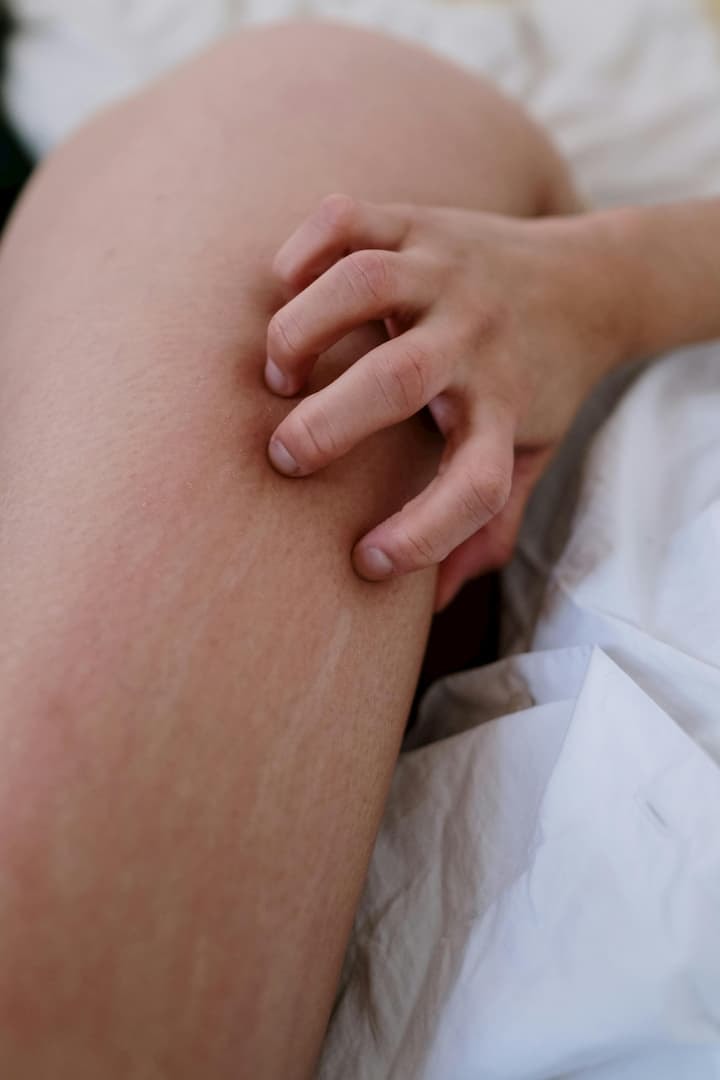
Atopic dermatitis, also known as atopic eczema, is a common skin condition characterized by dry, itchy skin and rashes. It affects both children and adults, typically appearing on the face, neck, or hands. Management generally involves moisturizing creams and occasional corticosteroid ointments.
Symptoms of Atopic Dermatitis
Atopic skin presents as dry, red, and itchy with potential bumps or flakiness, commonly on the face, hands, and legs.
Common symptoms include:
- Itching
- Flaky skin
- Red, dry skin
- Bumpy texture
- Occasionally, blisters or fluid-filled spots
- Thickened skin areas
Causes of Atopic Dermatitis
The condition results from a weakened natural skin barrier, influenced by genetic and environmental factors, and is often associated with allergies and asthma.
Aggravating factors:
- Dry or cold weather
- Certain allergens, such as dust or foods
- Sweating and overly warm clothing
- Dry skin
- Chemicals and skin irritants
- Stress
Treatment
Mild cases respond to regular moisturizers. Corticosteroid creams are often used to reduce inflammation during symptom flare. Severe cases may require stronger tablet medications prescribed by a doctor.
Self-Care Instructions
Daily care involves regular moisturizing and avoiding irritants. Moisturizers containing urea prove particularly effective. Recommendations include:
- Moisturize your skin regularly
- Avoid excessive washing; use skin oils or moisturizing cleansers instead of soap
- Choose skin-friendly materials, like cotton
- Use fragrance-free detergents and avoid fabric softeners
- Avoid scratching—wear cotton gloves at night if needed
When to Seek Medical Care
Contact a doctor if atopic dermatitis does not improve with self-care, worsens, or if the rash begins discharging fluid or appears infected.

Need a doctor?
Describe your symptoms in a remote appointment — a doctor assesses your situation 24/7.
Read also
- Acne: symptoms, causes, treatment options, and when to get help
- Cellulitis: Symptoms, Causes, and Treatment
- Fungal infection: symptoms, treatment, and when to seek care
- Hives: symptoms, causes, treatment and when to seek medical advice
- Rosacea: what it is, why it affects the face and how it can be treated
- Scabies: symptoms, rash, treatment and when to seek care