

Cellulitis: Symptoms, Causes, and Treatment
Key points
- Cellulitis is a common bacterial skin infection, but it can become serious if it spreads or involves high-risk areas such as the eye.
- The most typical signs are a red or darker swollen area that is warm, painful, and expanding.
- Cellulitis leg infections are especially common in adults, often linked to small skin breaks, swelling, dry skin, or fungal infection between the toes.
- Medical assessment is important when symptoms spread, pain increases, fever develops, or risk factors are present.
- Antibiotics usually work well when started promptly, and prevention focuses on skin care, wound care, treating fungal infections, and managing leg swelling.
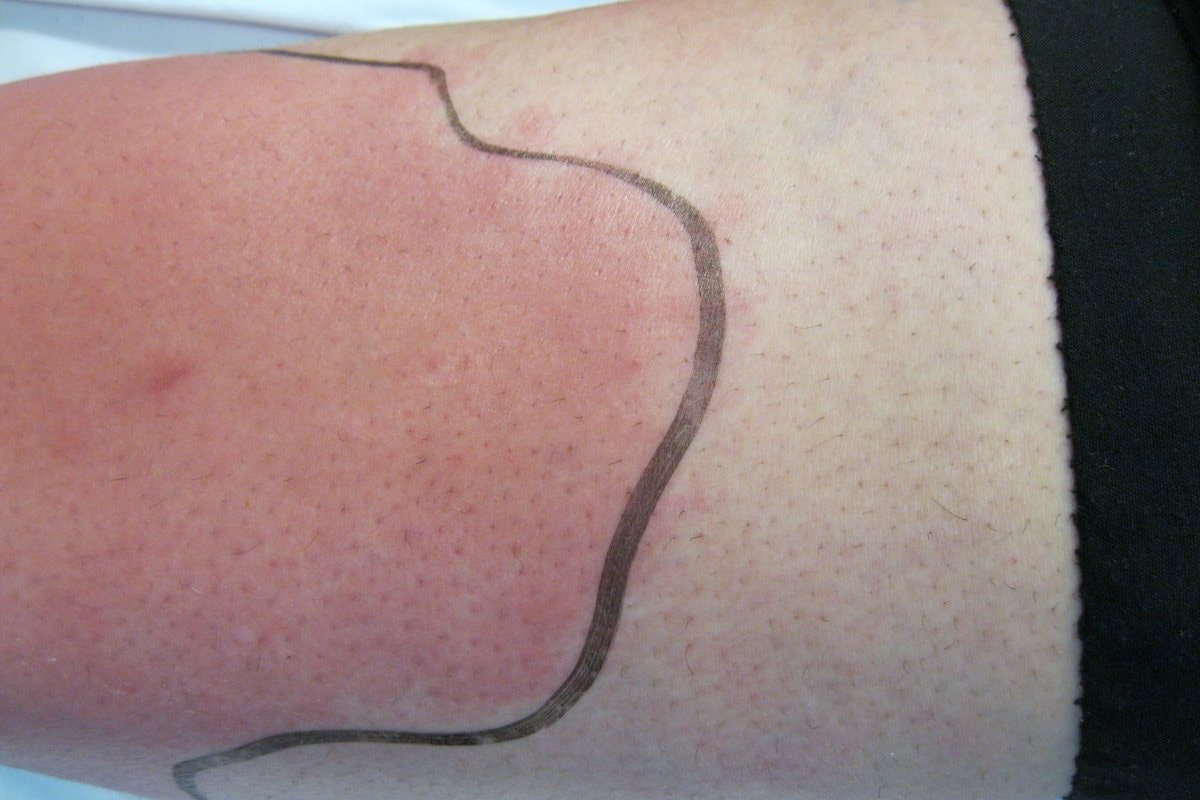
Cellulitis is a bacterial infection of the skin and the soft tissue just underneath it. It usually begins when bacteria enter through a small break in the skin, such as a cut, scrape, insect bite, cracked heel, surgical wound, eczema flare, or athlete’s foot between the toes. The infection can spread through the deeper layers of skin, causing an area that becomes red, swollen, warm, painful, and sometimes tight or shiny.
In everyday language, cellulitis is sometimes confused with cellulite. Cellulite is the dimpled texture of skin that many adults notice on the thighs, hips, or buttocks. Cellulitis is different: it is an infection that may need antibiotics. Some people also misspell the word as cellites, but the medical term is cellulitis.
The condition can affect almost any part of the body, but cellulitis leg infections are especially common. The lower legs are exposed to small injuries, dry skin, swelling, circulation problems, and fungal infections that can create entry points for bacteria. In adults, a painful red patch on one lower leg that feels hot to touch is a classic pattern, especially when it expands over hours or days.
Most cases can be treated successfully, but cellulitis should not be ignored. Without treatment, bacteria may spread locally, enter the bloodstream, or trigger a more severe infection. Early recognition matters because treatment is usually simpler and recovery is faster when the infection is addressed promptly.
Cellulitis symptoms: what the infection usually feels and looks like
Cellulitis symptoms tend to develop in a specific area rather than across the whole body at first. The skin often looks red or darker than usual, depending on skin tone. On brown or black skin, redness may be less obvious, so warmth, swelling, tenderness, tightness, and a change in skin texture can be more useful clues. The affected area may enlarge, become more painful, or feel increasingly firm.
Pain is often described as soreness, burning, throbbing, or tenderness when the area is touched. The skin may feel stretched because swelling builds in the tissue. Some people notice red streaks, enlarged nearby lymph nodes, or small blisters. Fever, chills, tiredness, headache, nausea, or a generally unwell feeling can appear when the body is reacting more strongly to the infection.
A useful feature is asymmetry. Cellulitis often affects one side more than the other, such as one shin, one ankle, one arm, or one cheek. A rash on both legs may still need assessment, but it can also suggest other causes such as eczema, contact dermatitis, venous stasis, or allergic reaction. A clinician looks at the pattern, warmth, tenderness, swelling, possible entry points, and the person’s general condition before deciding on treatment.
The edge of the affected area may be clearly visible or may fade gradually into normal skin. Some clinicians mark the border with a pen to see whether the infection is spreading after treatment begins. If the red, warm, painful area keeps expanding despite antibiotics, or if fever and weakness worsen, medical reassessment is important.
Why cellulitis happens
The most common bacteria involved are streptococci and Staphylococcus aureus. These bacteria can live on the skin or in the environment without causing trouble until they enter deeper tissue. A tiny opening may be enough. People often do not remember the original injury, especially if it was a small crack between the toes, a shaving nick, a scratch, or a bite.
Certain factors make cellulitis more likely. Swelling in the legs can slow fluid movement and weaken local skin defenses. Dry, cracked, or inflamed skin creates openings. Diabetes can increase the risk of skin breaks and delayed healing, especially when foot sensation is reduced. Reduced immune function, previous cellulitis, obesity, poor circulation, and injection drug use can also raise risk. After surgery or a traumatic wound, bacteria may enter before the skin barrier has fully repaired.
Cellulitis is usually not caught from casual contact in the way a cold or flu spreads. The infection typically starts from bacteria entering the person’s own skin through a vulnerable area. Good wound care, hand hygiene, and not sharing items that touch broken skin can reduce risk, especially in households where someone has a draining wound or recurrent skin infections.
Cellulitis leg infections in adults
Cellulitis leg infections deserve special attention because they are common and can interfere with walking, work, exercise, childcare, and sleep. The lower leg may become swollen, heavy, hot, and tender. Shoes or socks may feel tight. Standing for long periods can make throbbing and swelling worse.
Several everyday triggers can be involved. Athlete’s foot can crack the skin between the toes, creating a hidden entry point. Dry winter skin can split around the heel. A small scratch from gardening, sports, pets, or shaving may become infected. Leg swelling from long travel, pregnancy history, varicose veins, previous injury, or reduced mobility can make tissue more vulnerable.
Treatment often combines antibiotics with supportive measures. Elevating the leg can reduce swelling and pressure. Gentle movement may help circulation, but intense exercise is usually uncomfortable and may worsen throbbing while the infection is active. Pain relief may be appropriate depending on the person’s health history and other medicines. Compression stockings should not be started over a painful acute infection unless a clinician advises it, although long-term swelling management may reduce recurrence after the acute episode has settled.
Recurrent cellulitis in the leg should prompt a search for preventable causes. Treating athlete’s foot, moisturizing dry skin, caring for small wounds early, managing edema, and reviewing diabetes or circulation issues can reduce future episodes. People who have repeated infections may need a more detailed plan with a clinician.
Orbital cellulitis and infections around the eye
Orbital cellulitis is a serious infection involving tissues behind or around the eye socket. It is different from a mild eyelid irritation or a simple stye. Because the orbit is close to the eye, sinuses, brain, and major blood vessels, this form of infection needs urgent medical assessment.
Warning features include painful eye movement, reduced or blurred vision, double vision, a bulging eye, severe eyelid swelling, fever, headache, or difficulty moving the eye normally. The eyelids may look red, swollen, or discolored, and the person may feel quite unwell. Orbital cellulitis can occur after sinus infection, facial infection, trauma, or spread from nearby tissue.
A related condition, often called preseptal or periorbital cellulitis, affects the eyelid and skin around the eye but not the deeper orbital tissues. It can still require antibiotics and careful review, especially in children, but orbital involvement is more dangerous. Since it can be difficult to tell the difference without an examination, eye-area swelling with pain, fever, vision symptoms, or restricted eye movement should be treated as urgent.
Diagnosis: how clinicians distinguish cellulitis from similar conditions
Diagnosis is usually based on the history and physical examination. A doctor assesses the skin, the speed of change, pain level, fever, possible entry points, and risk factors. Blood tests are not always needed for mild cases, but they may be used if the person is very unwell, the diagnosis is uncertain, or hospital treatment is being considered.
Several conditions can resemble cellulitis. Deep vein thrombosis can cause one swollen, painful leg. Eczema or contact allergy can cause redness and itching. Gout can cause a hot, painful joint. Insect bite reactions can swell dramatically. Venous stasis dermatitis can make both lower legs red or brownish, itchy, scaly, and swollen. Abscesses may cause a painful lump containing pus and may require drainage rather than antibiotics alone.
This overlap is one reason a clinical assessment is valuable. Treating the wrong condition can delay relief. A clinician may ask whether the area is itchy or painful, whether both sides are involved, whether there was a wound, whether fever is present, and whether the skin is spreading beyond its original border. Imaging, wound cultures, or specialist review may be needed in complicated cases.
Treatment and recovery
Antibiotics are the main treatment for cellulitis. The choice depends on severity, location, local bacterial patterns, allergies, recent antibiotic use, and whether there is pus, an abscess, an animal bite, or another special circumstance. Mild to moderate infections are often treated with oral antibiotics. More severe cases may require intravenous antibiotics in hospital, especially if there is high fever, rapid spread, vomiting, facial or orbital involvement, immune suppression, or failure of oral treatment.
Symptoms often begin to improve within a few days of starting appropriate antibiotics, but the skin can remain discolored, tender, or slightly swollen for longer. It is common for redness to look more noticeable during the first day of treatment before it starts to settle. What matters is the overall direction: pain, fever, warmth, and spread should gradually improve.
Supportive care can make recovery easier. Elevating an affected limb reduces swelling. Keeping the skin clean and protecting open areas helps the barrier heal. Drinking enough fluid and resting when fever is present can help the body recover. Pain relief may be useful, but people with stomach ulcers, kidney disease, blood-thinning medication, pregnancy, or other medical conditions should check which option is safest.
Do not stop prescribed antibiotics early unless a clinician tells you to. Stopping too soon may allow bacteria to rebound. If side effects occur, medical advice is better than simply abandoning treatment, because an alternative antibiotic may be available.
Preventing recurrence
Prevention focuses on keeping the skin barrier strong and reducing the conditions that allow bacteria to enter. This is especially important after a previous episode because recurrence is common in people with ongoing swelling, fungal foot infection, eczema, or repeated skin breaks.
Good prevention habits include treating athlete’s foot, moisturizing dry skin, cleaning small cuts promptly, covering open wounds, avoiding scratching insect bites, and checking feet regularly if diabetes or reduced sensation is present. For adults who work on their feet, exercise outdoors, shave their legs, or have young children and frequent minor scratches, these small steps can make a real difference.
Leg swelling should be discussed with a clinician if it persists. Long-term management may involve compression, movement, weight management, treatment of vein problems, or investigation of other causes. The right approach depends on the cause of swelling and the person’s medical background.
How Dokport can help with cellulitis
Dokport can help adults get medical guidance quickly when cellulitis is suspected. Through Dokport’s remote doctor service, patients can access care without traditional appointment booking. A doctor can assess symptoms through chat, review how the skin looks and feels, ask about fever, pain, risk factors, and how quickly the area is changing.
When appropriate, the doctor can give personalised treatment advice, prescribe medication, or issue sick leave if the infection affects work ability. If symptoms suggest a more serious infection, orbital cellulitis, a possible blood clot, an abscess, sepsis, or another condition that needs hands-on examination, the patient can be referred for further testing or in-person care. The goal is fast, easy, and safe access to medical support, while making sure urgent warning signs are not missed.

Need a doctor?
Describe your symptoms in a remote appointment — a doctor assesses your situation 24/7.
Frequently asked questions
What is cellulitis?
Is cellulitis the same as cellulite?
What are the most common cellulitis symptoms?
Can cellulitis go away on its own?
What causes cellulitis leg infections?
When should I worry about cellulitis?
What is orbital cellulitis?
How is cellulitis treated?
How fast should cellulitis improve with antibiotics?
Is cellulitis contagious?
Can I exercise with cellulitis?
Can cellulitis come back?
Should I mark the edge of cellulitis?
What can be mistaken for cellulitis?
Can Dokport help with suspected cellulitis?
Read also
- Acne: symptoms, causes, treatment options, and when to get help
- Atopic Dermatitis
- Fungal infection: symptoms, treatment, and when to seek care
- Hives: symptoms, causes, treatment and when to seek medical advice
- Rosacea: what it is, why it affects the face and how it can be treated
- Scabies: symptoms, rash, treatment and when to seek care